
Introduction
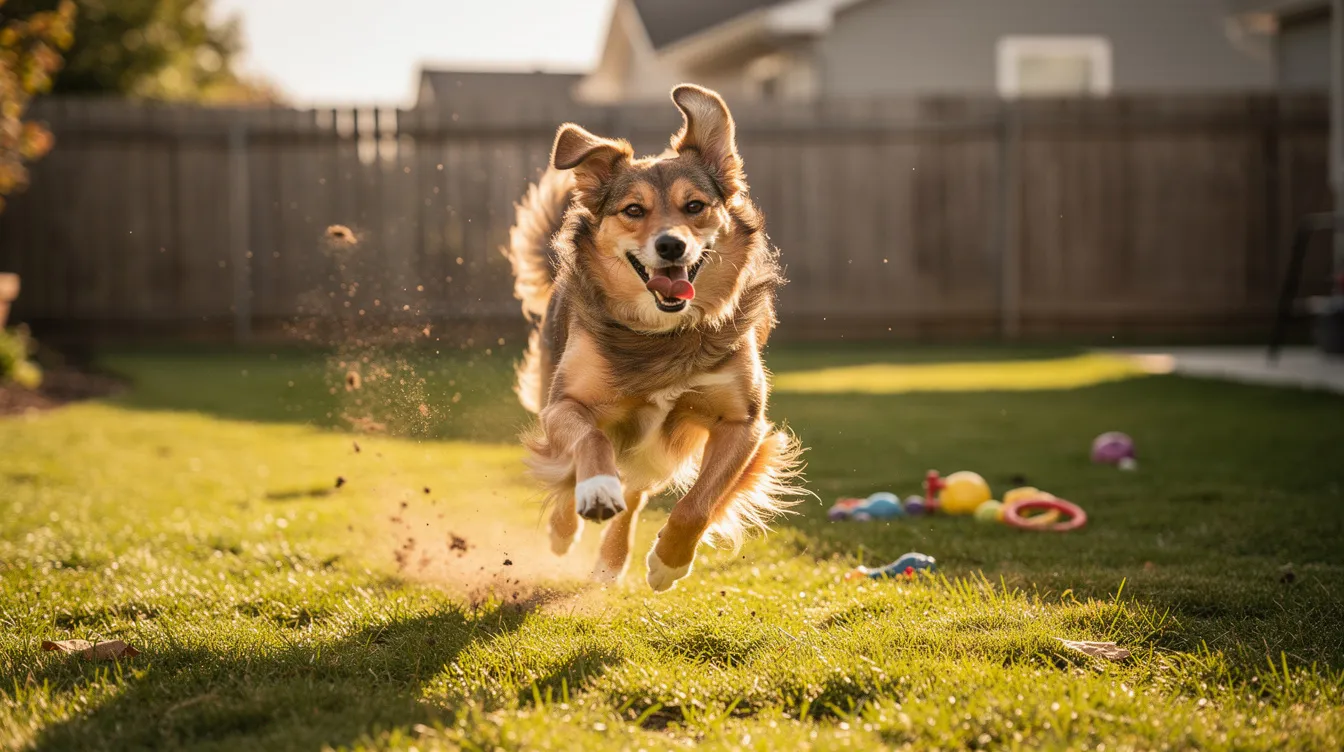
Dogs get zoomies to release pent-up energy, express excitement, or relieve stress through sudden bursts of frantic running, spinning, and darting. These episodes-formally known as frenetic random activity periods (FRAPs)-are perfectly normal canine behavior observed across virtually every breed, age, and temperament. If your dog has ever tucked its butt, dropped into a play bow, and launched into a full-speed sprint around your living room, you’ve witnessed a textbook zoomie.
This article covers what dog zoomies actually are, why they happen, what triggers them, and how to manage them safely-with specific considerations for Phoenix-area dog owners dealing with heat constraints and indoor confinement. Whether you’re raising young pups prone to midnight madness or living with older dogs who still get the occasional burst, understanding this behavior helps you provide the right balance of exercise, mental stimulation, and structured training.
Zoomies are a natural energy release mechanism. Most dogs experience zoomies at some point, especially puppies and high-energy breeds. They typically last only a few minutes and involve high-speed running and spinning. While usually a sign of a happy dog, context and frequency matter-and knowing the difference can help you support your dog’s well-being.
Here’s what you’ll gain from this article:
- A clear understanding of what FRAPs are and why dogs experience zoomies
- The ability to distinguish normal zoomies from stress-related episodes using your dog’s body language
- Knowledge of common triggers including post-bath zoomies, evening witching hours, and social excitement
- Practical strategies for creating a safe space and redirecting zooming dogs
- Guidance on when zoomies signal a need for professional training or behavioral support
Understanding Dog Zoomies
Zoomies are also known as Frenetic Random Activity Periods (FRAPs), a term used by veterinarians and animal behaviorists to describe sudden, explosive bursts of high-intensity activity. Despite the dramatic appearance, this is normal dog behavior-not a sign that something is wrong with your furry friends. Many dogs experience zoomies regularly, and the behavior has been documented in cats, ferrets, and other domestic animals as well.
What FRAPs Look Like
During a typical zoomie episode, a dog will tuck its rear end low, flatten or tuck its tail, and sprint at full speed in wide circles or erratic patterns-sometimes called crazy eights. You’ll often notice wide eyes, an open mouth with tongue out, and play bows (front legs down, rear up) both before and during the episode. The dog’s posture is loose and exaggerated, with sharp directional changes and occasional spins.
These sudden bursts of activity usually last from about 30 seconds to several minutes. Intensity varies based on space, arousal level, and the individual dog. A pup zooming indoors might ricochet off furniture and narrowly miss the coffee table, while the same dog in a fenced yard will open up into full-speed sprints. The physical exertion is significant: elevated heart rate, rapid panting, and full muscle activation are all part of the experience. Most episodes end when the dog simply runs out of steam and flops down to rest.
Normal Behavior Patterns
Puppies experience zoomies more frequently than older dogs. Young dogs under one year old have higher energy levels, sleep in concentrated bursts, and transition rapidly between rest and intense activity, making puppy zoomies an almost daily occurrence, sometimes multiple times per day. Adult dogs still get the zoomies but with lower frequency, and many older dogs may only zoom occasionally, often with reduced peak intensity.
Breed variations exist but are less clear-cut than many owners assume. High-energy breeds like Border Collies, Labrador Retrievers, and other working, herding, and sporting breeds tend to show more frequent and intense FRAPs. However, even laid-back breeds will zoom in stimulating environments. Individual temperament-how excitable or reactive a dog is-matters as much as breed. Research has not yet established big statistical breed-level differences in FRAP frequency, though anecdotal evidence from trainers and behaviorists consistently points to higher rates in breeds with greater exercise demands.
There’s little evidence that gender meaningfully affects how often dogs get zoomies, though hormonal status and individual variation play general roles in behavior.
Primary Reasons Dogs Get Zoomies
Understanding why dogs experience zoomies requires looking at three interconnected mechanisms: physical energy management, emotional expression, and stress regulation. Most zoomie episodes involve some combination of these factors.
Energy Release and Exercise Needs
The most widely supported explanation is that zoomies serve as a rapid discharge mechanism for pent-up energy. Dogs that have been inactive-crated for hours, home alone during the workday, or after a long nap-often explode into activity the moment they’re given the opportunity. Zoomies can occur after long periods of inactivity precisely because the dog’s body has accumulated excess energy with no outlet.
Physical activity alone doesn’t always prevent zoomies. Dogs that get enough exercise but lack cognitive challenge may still zoom. Mental stimulation-through puzzle feeders, scent work, trick training, and interactive toy play-is equally important. Dogs that receive both physical and mental enrichment show reduced frequency of excessive FRAPs. This is one reason structured training programs, like those offered through Off Leash K9 Training Phoenix’s Basic Obedience program, can make a meaningful difference: they combine physical activity with the mental demands of learning commands and impulse control.
For Phoenix dog owners specifically, the challenge is compounded by extreme summer heat. Dogs may be confined indoors for extended periods during peak temperatures, building up energy that manifests as intense evening zoomies once conditions cool.
Emotional Expression and Excitement
Many dogs get zoomies as a way to express joy and excitement. Common triggers for zoomies include excitement from seeing an owner return home, the beginning of a walk, or the start of play with other dogs. When your dog sees its favorite person walk through the door and immediately launches into a full-speed lap around the house, that’s a dog using physical activity to express high arousal and happiness.
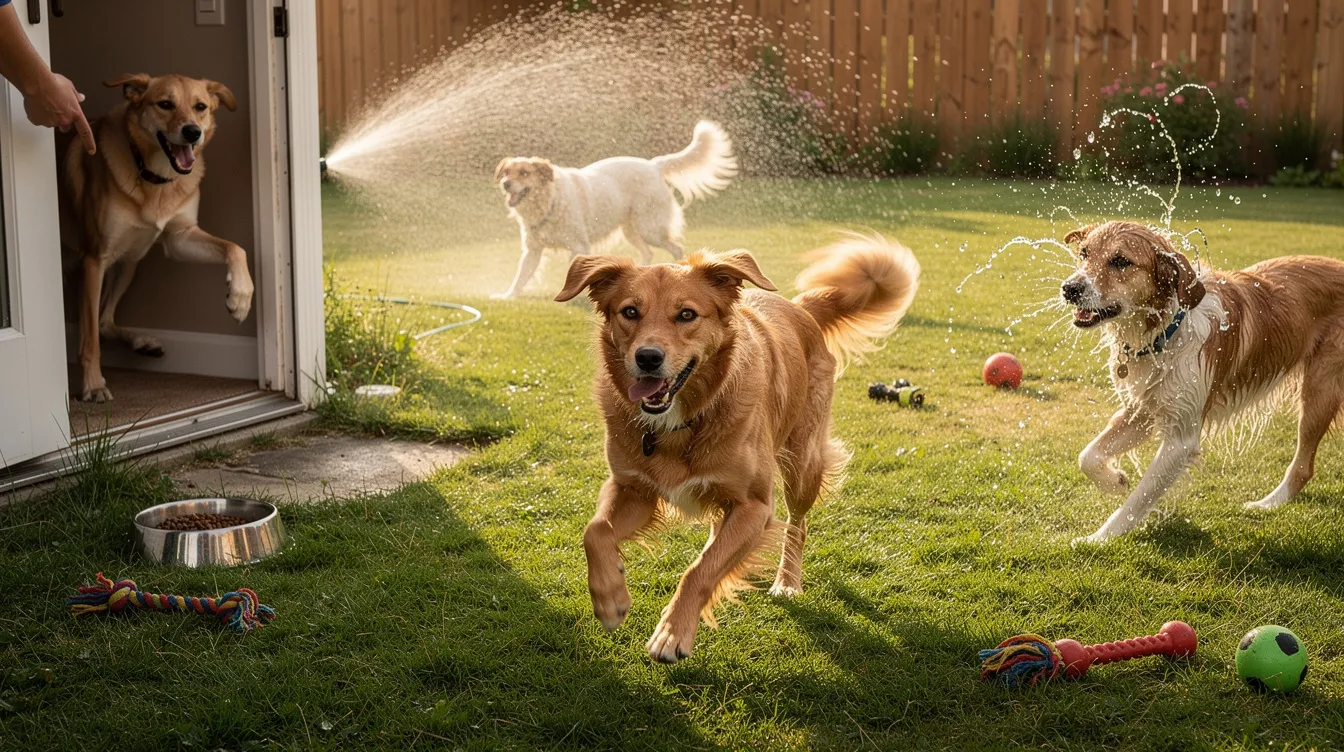
The fun factor is real. Zoomies can indicate happiness or relief in dogs, and the behavior appears to be internally reinforcing-dogs enjoy doing it. Research suggests that FRAPs may even be contagious: when one dog starts zooming at a dog park, other dogs frequently join in. This social dimension reinforces that zoomies are often an expression of positive emotional states.
Stress Relief and Coping Mechanism
Not all zoomies are pure joy. Zoomies can happen after stressful events like baths or vet visits, serving as a way for dogs to release nervous energy and restore emotional equilibrium. Zoomies can serve as an emotional reset after high arousal or stress-a kind of physical decompression.
The distinction matters. A happy dog zooming shows a relaxed body, loose movement, and a wagging tail. A stress-induced zoomie may feature a tense body, tucked tail, ears pinned back, and wide eyes signaling anxiety rather than fun. Understanding your dog’s body language during these episodes helps you determine whether your dog is celebrating or coping. If stress-related zoomies happen frequently, it may be worth exploring behavior modification training to address underlying anxiety.
Common Zoomie Triggers and Management
Recognizing what sets off your dog’s zoomies allows you to prepare, redirect, and create safer experiences. While zoomies can be triggered by moments of high excitement in countless situations, certain patterns occur consistently across most dogs.
Post-Bath and Grooming Zoomies
Dogs often get zoomies after a bath or grooming session-one of the most universally recognized triggers. Bath time combines multiple stressors: unusual handling, water exposure, strange smells from shampoo, and the uncomfortable sensation of being wet. The post bath zoomies that follow represent both relief that the experience is over and an instinctive drive to dry off and restore normal sensation. Zoomies often occur after a bath or grooming session with particular intensity.
To manage post-bath zoomies safely:
- Towel-dry your dog thoroughly before releasing them from the bathroom to reduce the wet-floor slip risk
- Clear a safe space-move fragile items and block access to stairs or slippery tile areas
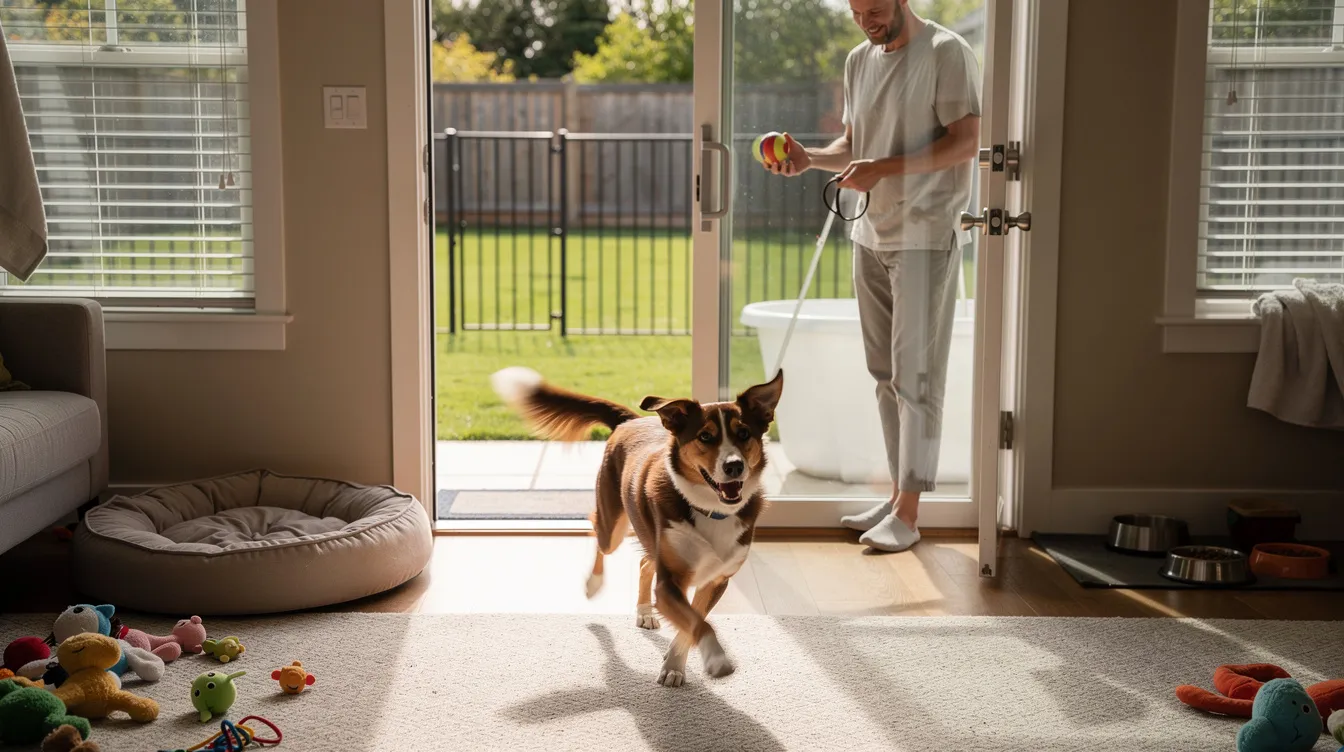
- Provide a designated area (a carpeted room or fenced yard) where your dog can zoom without hazards
- Redirect with a favorite toy once the initial burst subsides
- Gradually desensitize your dog to bath time through positive associations-treats, calm praise, and shorter sessions
Time-Based Triggers
Zoomies can occur during a dog’s “witching hour” between 5–8 p.m., a period when many dogs experience peak restlessness. This pattern connects to natural crepuscular activity rhythms-dogs tend to be more active at dawn and dusk-combined with accumulated daytime energy and anticipation of evening routines like feeding or the owner arriving home.
| Factor | Morning Zoomies | Evening Zoomies |
|---|---|---|
| Typical Cause | Energy after overnight rest; excitement about the day starting | Accumulated energy from daytime inactivity; anticipation of feeding/play |
| Common in | Especially puppies and young dogs with higher energy levels | Most dogs, particularly those confined during work hours |
| Management | Early morning walk or play session before breakfast | Scheduled late-afternoon exercise during cooler hours; structured activities |
| Phoenix Consideration | Cooler temperatures make morning ideal for outdoor exercise | Avoid outdoor play until temperatures drop; use indoor enrichment |
For Phoenix owners, scheduling more exercise during cooler morning hours can significantly reduce the intensity of evening FRAPs. A dog that has had a vigorous walk and training session at 6 a.m. is far less likely to demolish your living room at 7 p.m.
Social and Environmental Triggers
Owner return-home scenarios are among the most common triggers. After hours of separation, the excitement of reunion produces high arousal that many dogs channel directly into zoomies. Similarly, arriving at a dog park, encountering other dogs on a walk, or exploring a new environment can trigger bursts of frantic activity.
Post-exercise zoomies also occur-what might seem counterintuitive. A dog returning from a play session may have one final burst of energy, a last explosive sprint before settling down. This “final burst” pattern is common and generally harmless, representing the tail end of arousal rather than a sign the dog needs more exercise.
Common Challenges and Solutions
While zoomies are perfectly normal, they can create practical problems for dog owners-especially when they happen in the wrong place or at the wrong time.
Indoor Zoomies Causing Damage
When your dog launches into FRAPs indoors, the coffee table, fragile items, and slippery floors all become hazards. The environment should be safe for dogs when they get the zoomies. Remove fragile objects to prevent accidents during zoomies, use rugs or mats on tile and hardwood for traction, and designate a specific room or hallway as a safe space for indoor zooming.
Redirect zoomies with toys or engaging activities once the initial burst peaks. A well-timed toss of a favorite toy can channel chaotic energy into retrieving. Dogs with solid obedience foundations-such as those trained through a 2 Week Board and Train program-often respond to recall or “place” commands even during high-arousal moments, giving owners a reliable way to interrupt and redirect.
Excessive or Destructive Zoomies
If your dog’s zoomies happen frequently throughout the day, last unusually long, or involve destructive behavior, the underlying issue is likely insufficient exercise or mental stimulation-or both. Zoomies reflect a dog’s need to release pent-up energy, and dogs that don’t get enough physical activity or cognitive enrichment will find ways to burn that excess energy, often destructively.
The solution is straightforward but requires consistency: increase daily exercise, add mental stimulation through puzzle toys and training sessions, and establish predictable routines. Dogs getting both basic and advanced obedience training develop better impulse control and self-regulation, which naturally reduces the frequency and intensity of problematic FRAPs.
Supervise your dog during zoomies to ensure safety, and if destructive episodes persist despite adequate exercise and enrichment, consult a veterinary behaviorist to rule out anxiety or compulsive behavior disorders.
Zoomies During Training Sessions
Dogs sometimes get the zoomies mid-training session, especially puppies and young dogs experiencing high arousal from the excitement of learning and treat rewards. This can derail progress and frustrate owners.
The solution involves building distraction-proof training gradually. Keep early sessions short (5–10 minutes), use calm reward delivery, and incorporate brief “settle” breaks. If a zoomie erupts mid-session, don’t chase or scold-this reinforces the behavior. Instead, stand still, wait for the episode to pass, and resume with a calmer exercise. Training on neutral ground can also reduce overstimulation by removing familiar environmental triggers.
For persistent training disruptions, puppy training consultations provide structured approaches specifically designed for managing the high energy and impulsivity of young dogs.
Conclusion and Next Steps
Dog zoomies are a healthy, natural energy release mechanism that most dogs engage in throughout their lives. They’re driven by the need to release pent-up energy, express excitement, and decompress after stress. Understanding your dog’s body language during these episodes-and knowing the difference between a joyful sprint and a stress-induced frenzy-empowers you to respond appropriately.
To better manage your dog’s zoomies starting today:
- Assess your current exercise routine-is your dog getting enough physical activity and mental stimulation for its breed, age, and energy level?
- Create safe zoomie zones-provide a safe space outdoors for zoomies and dog-proof indoor areas by removing breakables and adding traction
- Track triggers and frequency-note when zoomies happen, what precedes them, and how long they last to identify patterns
- Adjust your schedule-for Phoenix owners, shift vigorous exercise to early morning or late evening cooler hours to prevent daytime energy buildup
If your dog’s zoomies are excessive, destructive, or seem rooted in anxiety rather than joy, professional training can help. Off Leash K9 Training Phoenix offers free consultations to evaluate whether your dog’s behavior would benefit from structured obedience training, enrichment planning, or behavior modification.
Related topics worth exploring include breed-specific exercise requirements, mental stimulation activities for indoor-confined dogs, and how structured training programs build the impulse control that helps dogs self-regulate during moments of high arousal.
