
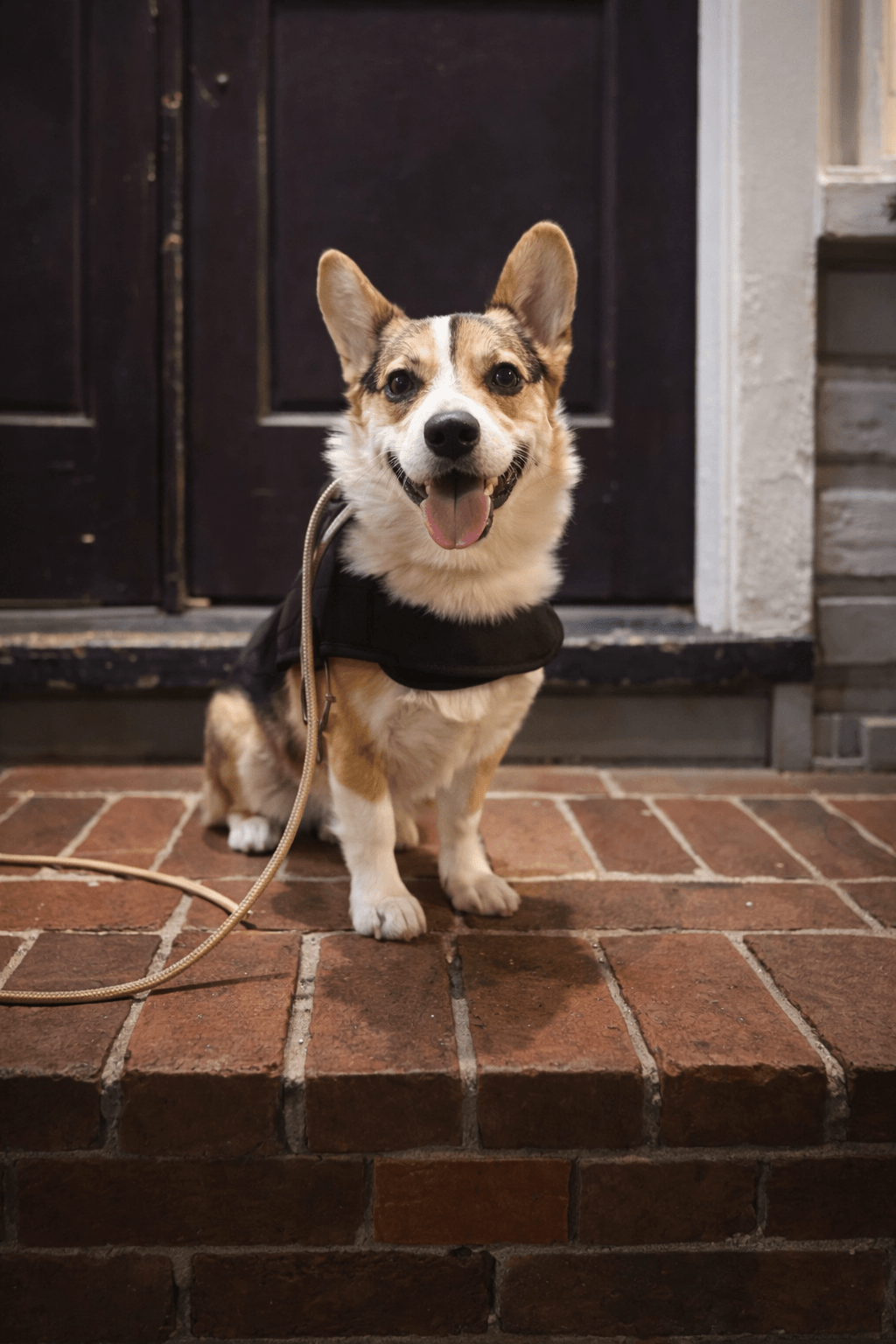
You take your dog outside, return to the living room, and discover another wet spot. If you are asking “why is my dog peeing in the house,” possible explanations include incomplete house training, missed bathroom opportunities, marking, emotional responses, or a medical problem.
Start by reviewing the pattern and arranging veterinary advice for new, unusual, or persistent accidents. Then build a practical routine with frequent bathroom opportunities, direct supervision, and immediate rewards for toileting in the correct place. Training helps address learned habits, but it cannot diagnose or treat physical illness.
This guide explains how to distinguish useful observations from assumptions, improve your bathroom routine, and decide when additional support is appropriate. Indoor accidents are information to investigate, rather than evidence that your dog is trying to upset you.
Here is what you will learn:
- Common reasons for indoor urination.
- Signs that need veterinary attention.
- Practical steps for rebuilding house training.
- Ways to manage predictable accident situations.
- How to choose appropriate professional guidance.
Why Is My Dog Peeing in the House?
Incomplete or Inconsistent House Training
A puppy may not yet understand the bathroom location or be physically able to wait through your schedule. An adult dog with an uncertain training history may also need a clear introduction to household expectations.
Previous success in one home does not establish the same habits in another. New exits, surfaces, routines, and caregivers change the situation. Teach the bathroom routine directly instead of assuming your dog knows where to go.
Too Few Bathroom Opportunities
Long gaps between outings can exceed your dog’s current needs. A busy morning, delayed return from work, or missed trip after a nap can create a predictable accident window.
Review whether outings actually include toileting. A dog who spends the trip watching neighborhood activity may return indoors without finishing. Accompany your dog and record what happened, rather than counting every outdoor visit as a bathroom success.
Urine Marking
Marking often involves small amounts of urine deposited in specific locations, sometimes on upright surfaces. It can occur in male and female dogs. The amount, posture, and context offer clues, but they do not establish a diagnosis.
New objects, visiting animals, or changes in the household may be relevant. Medical causes can also produce small, frequent urinations, so do not label every small spot as marking without considering health and history.
Excitement or Appeasement Urination
Some dogs release urine during greetings, excitement, or interactions where they appear worried. This pattern differs from simply choosing the wrong bathroom location. Scolding can make the interaction more uncomfortable.
Keep greetings quiet and allow your dog space. The Merck Veterinary Manual’s guidance on canine behavior problems describes excitement and submissive urination as distinct behavior patterns. Discuss recurring episodes with your veterinarian.
Stress and Separation-Related Distress
Changes in routine, frightening events, or difficulty being alone may contribute to accidents. However, finding urine after leaving does not prove separation anxiety. Bathroom access, medical issues, and other explanations still need consideration.
Observe the broader pattern. Persistent vocalizing, pacing, escape attempts, or inability to settle can help inform a professional assessment. Avoid forcing your dog to remain in a situation that repeatedly causes distress.
Medical Causes Must Be Considered
Indoor urination can accompany urinary tract disease, increased urine production, loss of bladder control, pain, or difficulty reaching the bathroom area. Your veterinarian determines which examination and tests are appropriate.
A dog who leaks urine while resting may need a different assessment from a puppy who has never established house training. Older dogs can also experience changes that affect mobility or bathroom habits. Age alone does not explain the cause.
Cornell’s information on urinary tract infections describes signs such as frequent urination, straining, and blood in urine. These observations warrant veterinary advice rather than a training correction.
Contact your veterinarian promptly for painful urination, blood, unusual thirst, repeated accidents, or sudden changes. Repeated attempts with little or no urine, especially with distress, require urgent veterinary care. Do not wait for a house training plan to address possible difficulty passing urine.
What the Accident Pattern Can Tell You
Keep a brief log showing the time, location, approximate amount, preceding activity, and last successful bathroom trip. Note changes in drinking, medications, mobility, or household routines to discuss with your veterinarian.
Examples provide useful questions, not diagnoses:
- Accidents after naps may reveal a missed bathroom opportunity.
- Wet bedding may suggest leakage needing assessment.
- Small spots near new objects may raise questions about marking.
- Accidents during greetings may involve an emotional response.
- Urination only during absences needs broader investigation.
Avoid interpreting one event in isolation. The same floor spot can reflect lingering odor, limited supervision, or another contributor. A log makes patterns clearer without requiring you to decide the cause yourself.
For example, record “woke from nap, outing delayed during dinner preparation, accident by hallway” instead of writing “bad evening.” Assign one caregiver to the next outing and keep rewards near the exit. If the same window becomes more successful, maintain that change. Share the log with everyone helping so your dog receives consistent bathroom opportunities throughout each day at home.
Practical Training Fixes for Indoor Accidents
1. Establish a Bathroom Routine
Offer opportunities after waking, meals, drinks, and active play, plus before bedtime. Add trips between these events according to your dog’s age, observed needs, and veterinary guidance.
Do not rely on a fixed bladder formula for every dog. Shorten intervals if the log shows accidents before the next outing. Arrange reliable help when your schedule prevents timely bathroom access.
2. Accompany Your Dog Outside
Choose a safe, accessible bathroom area and stay nearby. Use suitable equipment and calm leash control so your dog can focus without wandering into hazards.
Allow time to toilet rather than turning every trip into vigorous play. In Phoenix, consider outdoor heat and surface conditions when planning access. Maintain needed drinking water; restricting it is not a house training solution.
3. Reward the Correct Location Immediately
After your dog finishes toileting, offer gentle praise and a small, suitable reward while still near the bathroom area. Keep rewards ready, so the timing stays clear.
Reward the actual bathroom behavior rather than merely crossing the doorway. VCA’s house-soiling guidance explains the importance of medical assessment, appropriate management, and avoiding punishment.
4. Supervise Indoors
Keep your dog where you can notice sniffing, circling, restlessness, or movement toward a familiar accident spot. Gates can limit access to rooms you cannot supervise.
Being home does not automatically mean you are watching. Assign responsibility during meals, calls, or household chores. When attention is unavailable, arrange a safe management setup and appropriate bathroom help.
5. Clean Accidents Thoroughly
Use an enzymatic product intended for pet urine and follow its directions. Check rugs, furniture edges, and hidden corners for overlooked spots. Store cleaners safely away from pets.
If you find urine later, clean calmly without scolding. If you notice your dog starting, gently guide them toward the correct area when possible. Avoid startling, grabbing, or rubbing their nose in the mess.
6. Increase Freedom Gradually
Expand access after a sustained pattern of success, while maintaining supervision. Begin with one additional manageable space instead of opening every room.
If accidents return, review timing and reduce access temporarily. That adjustment helps identify a gap in the routine. It does not mean every earlier success has disappeared.
Management Options Compared
| Approach | When it may help | Important limitation |
| Bathroom log | Identifying timing and household patterns | Does not diagnose medical problems |
| Gates and supervision | Preventing unnoticed accidents | Still requires timely outings |
| Positive crate introduction | Comfortable, brief resting periods | Never forces extended holding |
| Designated indoor toilet | Limited outdoor access when appropriate | Requires consistent location and teaching |
| Veterinary assessment | New accidents or physical changes | Treatment depends on the diagnosis |
Choose management according to your dog’s comfort and actual needs. A crate does not prevent every accident, and confinement can be difficult for some dogs. Persistent distress requires another plan and professional guidance.
If using an indoor bathroom option, keep it clearly designated. Changing between pads and outdoor expectations without teaching the transition can make the routine harder to understand. Decide what arrangement your household can maintain.
Common Challenges and How to Handle Them
My Dog Pees Shortly After Coming Inside
Confirm whether your dog actually urinated outside. Reduce distractions during the next trip and supervise closely afterward. Offer another opportunity when bathroom signals appear.
If the pattern continues despite appropriate access, discuss it with your veterinarian. Repeated urination can have explanations beyond incomplete training, especially when amounts or frequency change.
My Previously Trained Dog Is Having Accidents
Arrange veterinary advice before assuming your dog has forgotten the rules. Review recent changes in health, medication, mobility, schedule, and household activity.
While awaiting guidance, provide easier bathroom access and closer supervision. Keep your response calm. Returning to a predictable routine can support management while the underlying concern is investigated.
Accidents Happen During Visitors’ Greetings
Offer a bathroom opportunity before the visit and keep introductions quiet. Ask guests to avoid crowding, leaning over, or exciting your dog. Allow space and reward comfortable interaction.
Do not require a prolonged sit as proof that your dog feels relaxed. Calm behavior depends on comfort as well as movement. If greetings repeatedly cause distress, seek individual advice.
My Dog Keeps Returning to One Spot
Review cleaning and access. Prevent unsupervised visits to that area while providing frequent opportunities in the intended bathroom location.
Check whether the repeated location connects with a particular time or activity. Avoid treating the spot itself as the entire explanation. Persistent accidents still warrant a broader assessment.
When Professional Training Can Help
Once medical needs have been assessed, coaching can help clarify supervision, reward timing, and the bathroom schedule. The published dog training services include puppy options addressing potty training routines.
Explain your dog’s age, training history, and accident pattern before selecting support. Ask what guidance applies to house training and what practice you will maintain at home. General dog obedience commands alone do not establish reliable bathroom habits.
Behavior training for distress may require veterinary involvement and a specific plan. If anxiety, aggression, or reactivity complicates handling, program suitability depends on individual assessment and owner follow-through. Outcomes vary, and no program should be assumed to resolve every contributor.
Conclusion and Next Steps
When asking “why is my dog peeing in the house,” investigate health, bathroom access, learning history, and emotional context. Avoid choosing a training fix before considering the cause.
Start with a bathroom log, appropriate veterinary advice, frequent opportunities, and immediate rewards. Keep supervision clear and adjust the routine when patterns reveal a gap. Progress depends on meeting your dog’s needs consistently.
FAQs
Why Is My House-Trained Dog Suddenly Peeing Indoors?
Sudden accidents can involve medical issues or changes in routine and behavior. Contact your veterinarian rather than assuming disobedience. Provide easier bathroom access while arranging assessment.
Should I Punish My Dog for Peeing Inside?
No, punishment does not teach the correct bathroom location. Clean calmly and review supervision and timing. Scolding can also make toileting near you more uncomfortable.
How Can I Tell Marking From a Full Accident?
Small deposits and specific targets may suggest marking, while larger puddles may reflect bladder emptying. These patterns overlap with other explanations. Ask your veterinarian to assess new or frequent urination.
Can Adult Dogs Learn House Training?
Yes, adult dogs can learn a consistent bathroom routine. Begin with frequent opportunities, supervision, and prompt rewards. Address medical or mobility concerns that affect participation.
Will a Board and Train Program Stop Indoor Peeing?
That depends on the cause and the specific program. Ask whether house training guidance is included and what owner practice is expected afterward. Training cannot replace medical care or guarantee that accidents will stop.
Before choosing a program, discuss your dog’s bathroom routines and training needs with a professional. Bring your observations and veterinary guidance so you can choose appropriate support without overlooking your dog’s health.
