
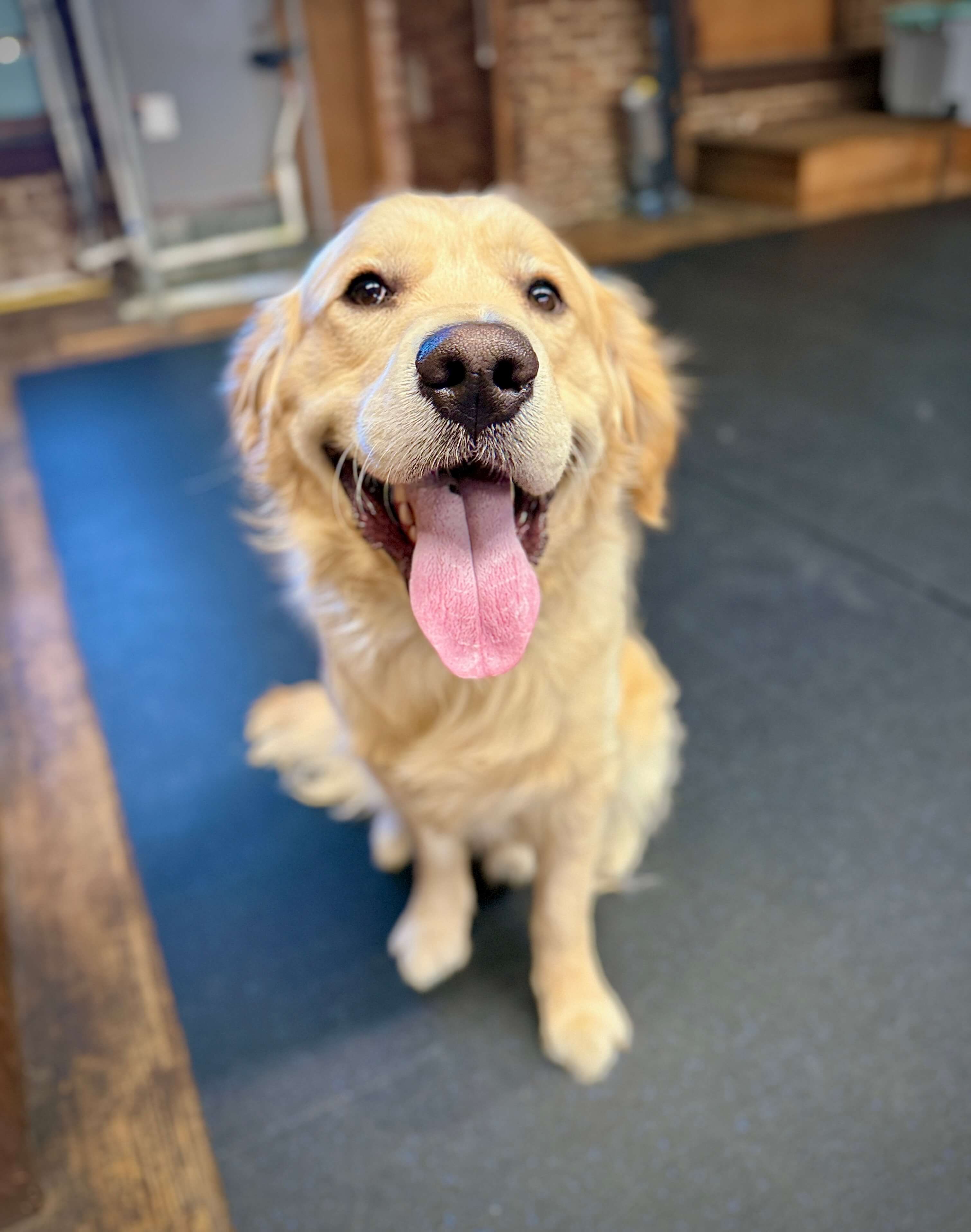
You sit down for dinner, and your dog appears beside your chair before the first bite. A paw follows, then whining or a nose near your plate. Learning how to stop a dog from begging for food starts with preventing table rewards and teaching a comfortable alternative.
Choose a resting spot away from diners, practice going there outside mealtimes, and reward your dog for remaining comfortably engaged. Keep the same rules across family members and visitors. During early learning, use appropriate management so you can eat without repeatedly testing an unfinished skill.
Begging is often a learned response to opportunities for food or attention. It does not automatically mean your dog is underfed or trying to control the household. Investigate sudden appetite changes separately rather than assuming every food-related behavior has the same explanation.
Here is what you will learn:
- Why begging becomes a persistent habit.
- How to teach a practical mealtime alternative.
- Ways to manage family meals and visitors.
- Common training mistakes and realistic adjustments.
- When veterinary or professional guidance is appropriate.
Understanding Why Dogs Beg at the Table
Food and Attention Can Reinforce Begging
If leaning against a chair sometimes produces a bite, your dog has a reason to repeat it. Occasional success can keep the behavior going even when most requests receive nothing.
Attention can also become part of the pattern. Talking, touching, or repeatedly negotiating with your dog may keep the interaction interesting. Observe what follows the behavior, including responses that seem harmless.
Mealtime Signals Become Predictable
Dogs can learn that setting plates, opening containers, or moving dining chairs precedes food. Your dog may begin approaching before anyone sits down because the routine already predicts an opportunity.
Those signals also give you a chance to prepare. Arrange the resting area before plates appear, rather than waiting until your dog is already under the table. Prevention makes teaching more manageable.
Excitement and Unmet Expectations
A busy meal can involve visitors, movement, children, and attractive smells. A dog who handles quiet practice may struggle when all those elements arrive together.
Avoid interpreting that struggle as stubbornness. Review the difficulty and your dog’s needs. Adequate meals, bathroom access, suitable activity, and rest belong alongside training, rather than expecting obedience to compensate for an uncomfortable setup.
How to Stop a Dog From Begging for Food
1. Establish One Household Rule
Decide that diners will not give food in response to begging. Explain the rule to everyone before dinner, including visitors. Keep rewards for the alternative behavior separate from passing scraps under the table.
Use plain instructions: “Please keep your food to yourself; I will reward him on his mat.” Consistency becomes easier when people know exactly what to do rather than hearing only “don’t encourage him.”
2. Choose a Comfortable Resting Area
Place a stable mat or bed outside the immediate dining space. Leave enough distance that your dog is not positioned beside knees, dropped utensils, or serving dishes.
Choose a location where your dog can relax comfortably. A distant room is not automatically appropriate if separation causes distress. Begin with a manageable arrangement and seek guidance if your dog cannot settle there.
3. Teach the Alternative Before Dinner
Practice when no meal is happening. Reward your dog for approaching the mat, then gradually for standing or resting on it. Add a cue such as “place” once the action is becoming predictable.
VCA recommends starting outside mealtime. That gives you time to teach without simultaneously serving food and managing the table.
4. Build Duration in Small Steps
Reward brief, comfortable moments on the mat before asking for longer stays. Use a consistent release cue to tell your dog when the exercise ends.
Add duration while you remain nearby. Then practice small movements, such as sitting in a chair or standing briefly. Do not combine longer waiting, greater distance, and a full dinner immediately.
5. Introduce Mild Food Distractions
Begin with an empty plate or a quiet snack setup. Keep the task short and reward your dog in the designated area. Increase difficulty only when the current version is manageable.
If your dog leaves repeatedly, make the exercise easier. Shorten the waiting period or increase distance from the food. Repeatedly sending a struggling dog back does not clarify what part of the task needs improvement.
6. Use Management During Real Meals
Arrange a gate or another safe setup when you cannot provide training attention. If your dog enjoys an appropriate food toy, prepare it before the meal and offer it in their resting area.
Management prevents unwanted practice while the skill develops. It does not replace teaching. Choose arrangements that suit your dog’s comfort and supervise enrichment as appropriate for the item and the dog.
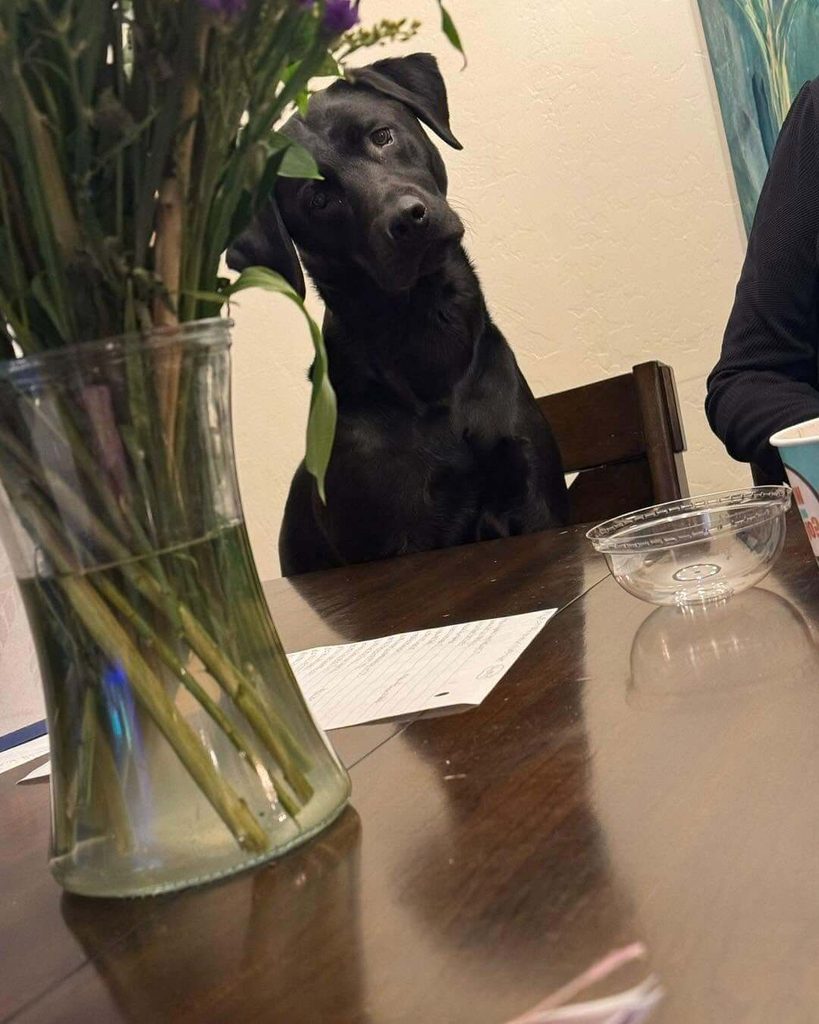
Reward Calm Behavior Without Rewarding Begging
Deliver rewards where you want your dog to remain. If you reach down beside your chair after whining, you may be reinforcing the behavior you hoped to reduce.
Reward earlier, while your dog is resting or making an appropriate choice. Keep the timing clear. If you repeatedly wait for begging, redirect, and immediately reward, your dog may begin practicing that entire sequence.
Watch for opportunities before dinner too. A dog who voluntarily rests away from meal preparation can receive appropriate reinforcement. Calm behavior becomes easier to recognize when rewards are not limited to correcting a problem.
The AVSAB supports reward-based methods. Avoid yelling, pushing, or physically forcing your dog to remain somewhere. Clear teaching and suitable management help keep the routine understandable.
A Practical Mealtime Routine
Before serving: Check that your dog has had needed bathroom access and their normal feeding needs are met. Prepare the resting space, rewards, and any suitable enrichment.
As people sit down: Use your practiced cue while the setup is still manageable. Reward arrival and a brief comfortable pause. Ask diners to avoid calling the dog toward them.
During the meal: Reinforce appropriate behavior at a frequency your dog can manage. Use management if you need to stop coaching and focus on eating.
Afterward: Clear food before releasing your dog into the dining area. Prevent access to dropped scraps and leftovers. Record one useful observation for the next meal.
For example, note whether your dog stayed comfortable during a short snack but struggled when guests passed serving dishes. Next time, practice the serving movement separately instead of expecting an entire dinner to improve at once.
Management and Training Options Compared
| Approach | When it may help | Important limitation |
| Mat or place training | Teaching an alternative near meals | Requires gradual practice |
| Gates or safe separation | Preventing access during busy dinners | Must suit the dog’s comfort |
| Appropriate food enrichment | Providing a planned activity away from diners | Does not replace training |
| Consistent household rules | Removing rewards for table begging | Everyone must follow the plan |
| Professional coaching | Clarifying timing and difficulty | Owner practice remains necessary |
Common Challenges and How to Handle Them
My Dog Whines When Nobody Shares Food
Check that basic needs are met and that the alternative task is reasonable. Do not provide table food simply to end the noise. Adjust the setup before the next meal.
Ignoring alone is not a complete plan. If whining becomes prolonged or your dog appears distressed, reduce the challenge and investigate the cause. A comfortable, achievable alternative matters more than waiting through an escalating struggle.
My Dog Leaves the Mat Repeatedly
Your expected duration may exceed current learning. Return to brief practice without a meal, reward sooner, and release before your dog becomes restless.
Also review the location and surface. A mat beside a noisy chair or on a slippery floor may make settling harder. Change practical details rather than assuming every departure needs another command.
Family Members Keep Giving Scraps
Agree on a realistic rule before meals begin. Explain that one successful begging attempt can make the next dinner harder to manage. Keep suitable rewards ready for the designated alternative.
If someone wants to participate, assign them to reward the dog on the mat. This provides a helpful role without turning table access into another food opportunity. Remind visitors before they sit down.
My Dog Jumps or Steals Food
Prevent access through management and keep dishes away from edges. Practice foundational cues in easy settings rather than testing them beside reachable food.
Do not create deliberate opportunities for stealing to see whether your dog has learned. Arrange successful practice. The available program includes obedience skills such as place and coaching through private lessons.
Meals With Children Are Especially Difficult
Have adults manage the dog and explain simple rules to children. Position the resting area away from dropped food and moving chairs. Clean spills promptly while keeping the dog safely separated.
Children should not push dogs away, remove food from their mouths, or manage guarding behavior. Use a setup that protects both the dog and the children without relying on a developing cue.
When Begging Needs a Different Assessment
Sudden, unusually intense food seeking deserves veterinary discussion, particularly alongside changes in thirst, weight, or other behavior. Review feeding amounts with your veterinarian rather than restricting meals to make rewards more effective.
Food guarding is different from ordinary begging. Freezing, growling, snapping, or threatening behavior near food calls for individual assessment. Avoid grabbing food, confronting the dog, or reaching toward a guarded item.
VCA’s food bowl aggression guidance recommends veterinary assessment before beginning a guarding training plan. Use distance and appropriate barriers to prevent unsafe interactions while arranging help.
If anxiety, aggression, or reactivity complicates meals, program suitability depends on individual assessment and owner follow-through. Outcomes vary. A place cue alone does not resolve the emotional or safety concern.
Tracking Progress Without Expecting Instant Results
Measure specific changes: fewer approaches to the table, longer comfortable resting periods, or easier responses during a simple snack. Compare similar situations rather than judging a quiet breakfast against a crowded dinner.
Dog obedience and behavior training require consistent practice beyond a single lesson. There is no universal number of days for stopping begging, especially when household responses have varied for years.
Record successful setups so other caregivers can repeat them.
Conclusion and Next Steps
Learning how to stop a dog from begging for food means preventing rewards at the table and teaching an alternative your dog can perform comfortably. Begin outside mealtimes, reward early, and build difficulty gradually.
Keep the household plan consistent and use management when the meal exceeds your dog’s current skills. Review health or safety concerns separately. A practical routine should support calmer dinners without expecting immediate perfection.
FAQs
Should I Ignore My Dog’s Begging?
Avoid rewarding begging with table food, but teach a useful alternative too. Meet basic needs and provide appropriate management. Persistent distress deserves assessment rather than an extended test of ignoring.
Can I Use Treats to Teach My Dog Not to Beg?
Yes, rewards can reinforce resting in the designated area. Deliver them for the behavior you want, rather than after repeated approaches to diners. Keep rewards appropriate for your dog’s diet.
Will Feeding My Dog Before Dinner Stop Begging?
It may make the routine easier for some dogs, but it does not remove a learned habit. Continue teaching the alternative and preventing table rewards. Maintain an appropriate feeding plan.
Can Older Dogs Learn Better Table Manners?
Yes, older dogs can learn new mealtime routines. Start with manageable practice and account for comfort or mobility needs. Consistency matters even when the previous habit has lasted years.
Should My Dog Stay on a Mat for the Entire Meal?
Only ask for a duration your dog can manage comfortably. Build gradually and use management during longer meals. A short successful practice is more useful than repeatedly correcting an unfinished skill.
Before choosing a program, discuss your dog’s mealtime behavior and training goals with a professional. Guidance can help you select suitable support and create a routine your household can maintain.
