
Key Takeaways
- A puppy board and train program means your puppy lives with a professional trainer for a set period, often ranging from one to several weeks, depending on the program, receiving structured training in skills like crate training, leash manners, basic commands, and age-appropriate routines.
- A puppy consultation is typically a one-time or short series of sessions where a trainer evaluates your puppy, coaches you on handling techniques, and gives you a step-by-step plan for at-home training.
- Both options address common puppy issues, including biting, jumping, potty accidents, and basic obedience cues like sit, down, and come.
- Owner follow-through, consistency, and daily practice after any training program are what turn early puppy training into long-term good behavior.
Introduction
If you just brought a puppy home and feel unsure whether a puppy board and train or a puppy consultation is the right starting point, you are not alone. Many owners face the same question, especially when potty training struggles, crate training resistance, or constant puppy biting make the first few weeks feel overwhelming.
This article compares both options so you can decide based on your puppy’s age, current behavior, your schedule, and your training goals. There is no single perfect path. The best decision depends on what fits your family and your puppy right now.
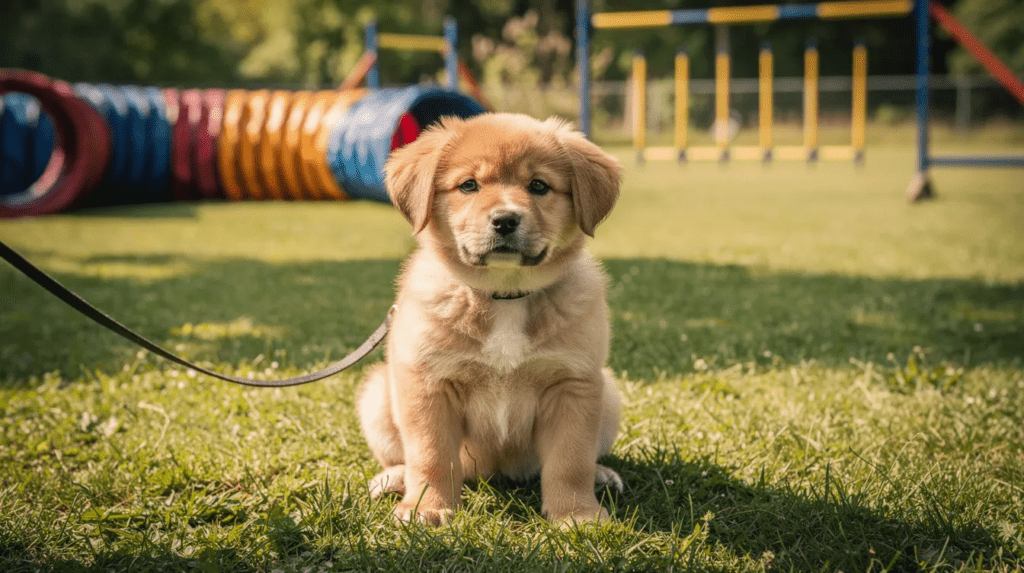
What Is Puppy Board and Train?
A puppy board and train is a program where your puppy stays with a professional dog trainer at their facility or home for structured daily work. Unlike private lessons, much of the early repetition happens with the trainer during the dog’s stay, but owner follow-through is still essential after the puppy comes home. Program length varies by trainer, puppy age, goals, and behavior needs.
During a board and train stay, the puppy’s day is structured around short training blocks, scheduled rest, supervised play, and routine-based learning. Daily practice may include marker training, crate training, leash manners, and basic obedience. This structure can help puppies get more consistent repetition, but progress still depends on the puppy, the trainer’s approach, and the owner’s follow-through at home.
Common skills worked on include:
- Potty training schedules and routines
- Crate training and settling
- Basic commands: sit, down, place, come, wait
- Leash manners and walking without pulling
- Polite greetings instead of jumping and mouthing
- Exposure to distractions, sounds, and when safe, other dogs
Some board and train programs are shorter, while others require more time depending on the puppy’s age, temperament, and training goals. Puppies can make progress with basic obedience and manners during a structured stay, but lasting results require owner practice after the program. Advanced skills, including off-leash work, should only be introduced when the dog is ready and safety can be maintained.
Some board and train marketing can make training sound like a quick fix, but puppy training is not a magic reset. Owners still need clear handover lessons, written guidance, and consistent practice at home to maintain the puppy’s new skills.
What Is a Puppy Consultation?
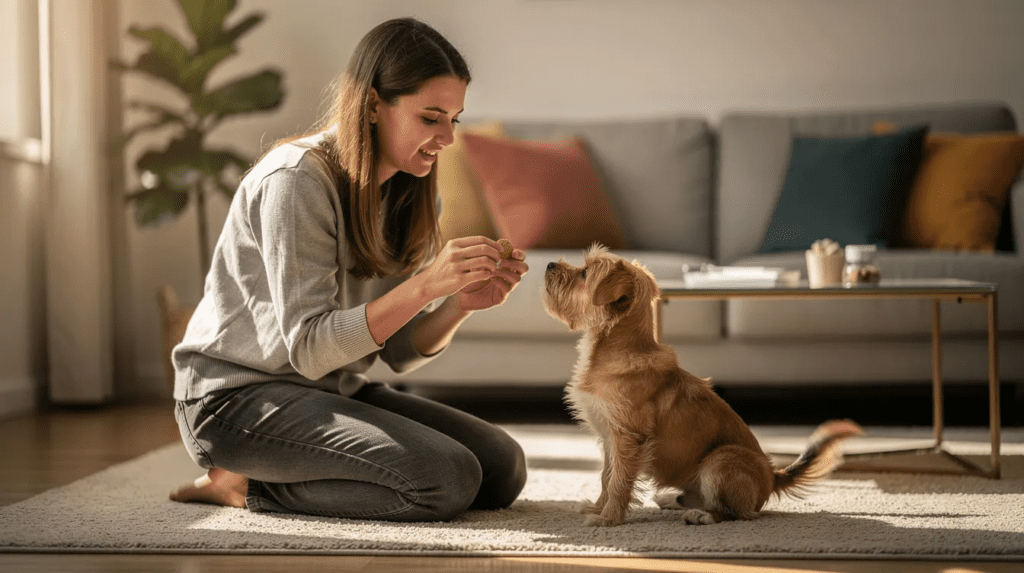
A puppy training consultation is a focused meeting between you, your puppy, and a trainer. It can happen in your home environment or at a training location. The trainer evaluates your puppy’s current behavior, discusses your daily routine, and builds a personalized training plan.
During a typical consultation, expect to cover:
- Your puppy’s schedule, diet, sleep, and crate location
- Potty training routines and common mistakes
- Biting, chewing, and mouthing management
- Jumping on people and guests
- Early leash introduction and walking basics
- Socialization goals and exposure plans for each week
The trainer demonstrates handling techniques and basic obedience cues, then coaches you step by step so you can teach your puppy at home. Professional dog training programs can address behavioral issues like jumping and biting, and a consultation gives you expert guidance to handle these issues early.
For very young puppies between 8 and 16 weeks, consultations often focus heavily on safe socialization plans and reducing the risk of fear or reactive behavior later. Building a solid relationship with your dog is essential, and this option keeps you directly involved in every repetition. It suits owners who have time and energy for daily practice and value being their puppy’s primary trainer.
Puppy Board and Train vs Puppy Consultation
Both options support puppy training, but they work in very different ways. One emphasizes trainer-led daily work in a structured facility. The other centers on owner coaching and at-home guidance.
Here is how they compare:
| Puppy Board and Train | Puppy Consultation | |
| Who trains daily? | The trainer handles most repetitions | The owner trains with guidance |
| Duration | A few weeks of full-time stay | One or several sessions |
| Speed of progress | Faster initial progress on obedience and manners | Slower but owner builds skills alongside puppy |
| Focus | Potty training, crate training, leash manners, basic and advanced commands, confidence building | Prevention, early problem-solving, socialization, owner education |
| Best for | Busy owners, puppies with intense behavior issues, families needing structure quickly | Very young puppies, mild issues, hands-on owners |
One thing every owner should understand: dogs often need practice in multiple environments before a skill becomes reliable everywhere. A puppy that responds well in a training facility may still need practice with the same cues at home, at the park, or around children. This is why follow-up sessions and at-home practice are important after boarding.
Training requires ongoing reinforcement after board and train. Owner involvement is crucial for effective dog training, and training requires owner involvement for lasting results. Without your practice and consistency, even the best program loses effectiveness over time.
Many owners successfully combine both options. They start with a consultation to set up the home routine, then consider a board and train program later if they need additional support or structure.
Which Option May Be Right for Your Puppy?
Choosing between puppy board and train and a consultation depends on your specific situation. Here is a simple way to think about it.
A puppy board and train program may fit best when:
- Your schedule is very demanding, and consistent training is difficult to maintain daily
- You travel frequently or have a major life change approaching
- Multiple young children at home make focused training sessions hard
- Your puppy already shows intense biting, constant jumping, difficulty settling, resource guarding, or concerning behavior toward people or other animals
- You feel stuck despite trying on your own, and need a clear professional structure
- Your dog’s behavior is affecting your family’s daily life
A puppy consultation may fit best when:
- Your puppy just arrived home, and you want a training plan from day one
- Behaviors are mild or just starting, and you want a professional evaluation of where things stand
- You want to learn handling skills yourself and be directly involved
- Budget or time favors shorter visits over a multi-week program
Your puppy’s age and vaccination status also matter. Program requirements vary, and some trainers may require puppies to have started or completed age-appropriate vaccines before entering a facility or being around other dogs. Your veterinarian can help confirm what is safe for your puppy based on their vaccine schedule, local disease risk, and the type of training environment.
Socialization helps puppies interact with other dogs and develop polite play styles, but this needs to happen safely. Behavior modification takes time to change emotions, so if your puppy shows early signs of fear, anxiety, or reactive behavior around other dogs, discuss this with a qualified trainer before choosing a program.
Needing professional dog training support is normal. Choosing structured training early can help reduce confusion, build better habits, and make adolescence easier to manage.
Why Early Puppy Training Matters
Puppy habits form quickly. The sensitive socialization period is commonly described as roughly 3 to 16 weeks of age, although dogs continue learning after that window. What your puppy experiences during this stage can strongly influence confidence, temperament, and future behavior, which is why safe, positive exposure matters.
Consistent routines and solid potty training can reduce stress for both puppy and owner. Data from the Generation Pup longitudinal study found associations between early puppy routines and later separation-related behaviors, including a higher risk when puppies had poor house training by 16 weeks. This does not mean one routine guarantees prevention, but it does support the value of structure, rest, and thoughtful early training.
Guiding puppy biting, chewing, and jumping now can help reduce the risk of more serious adult problems. Teaching gentle mouthing, redirection, and calm handling helps puppies learn safer ways to interact. Early leash manners practice also teaches puppies to focus and walk calmly before they grow stronger and harder to control.
Training should continue throughout a dog’s life. Puppies may learn quickly, but learned behaviors need ongoing practice, reinforcement, and consistency from owners to stay reliable over time.
Whether you choose puppy board and train, a consultation, or a combination, the real benefit is starting early. Waiting until bad behavior escalates or frustration builds only makes the job harder for everyone.
Final Thoughts
Both puppy board and train and puppy consultations are useful tools. The right answer depends on your puppy’s age, temperament, and current behaviors, as well as your time, comfort level, and training goals. A well-mannered adult dog starts with the choices you make now.
Any training program works best when owners stay involved, ask questions, and practice consistently after sessions or after the puppy comes home from a board and train stay. A dog learns best when the entire family reinforces the same rules, uses the same cues, and follows the same schedule.
If you are unsure where to start, reaching out to a qualified trainer to discuss your situation can help you find the right path forward. Whether you need a puppy consultation, a full puppy board and train program, or a combination of both, the most important step is the first one. Contact a professional, talk about your puppy, and get the expert guidance your family deserves.
FAQ
How old should my puppy be for a puppy board and train program?
Many programs accept puppies around 10 to 12 weeks once they are settled at home and have started their vaccination series. Some dog trainers and facilities prefer to wait until 16 weeks when core vaccines, including rabies, are more complete. This is especially important if the puppy will be around other dogs during the stay.
For very young puppies, starting with a consultation can be the best decision. It allows you to build a socialization plan and establish routines at home while your puppy reaches the right age for a longer program. Always ask how any trainer manages rest, age-appropriate socialization, and health safety for puppies that are not fully vaccinated, and confirm timing with your vet.
Will my puppy remember me after a board and train stay?
Yes. Puppies form strong bonds with their family early in life, and a stay of a few weeks does not erase that connection. Responsible trainers often include transition lessons so the puppy can reconnect, practice skills with familiar people, and adjust to the home environment again.
When your puppy returns, maintain your routines, use the same cues and collars or equipment the trainer recommends, and keep affection and structure consistent. This helps your puppy feel secure and reinforces good behavior from the program. A rescue puppy or a puppy from a reputable breeder will both benefit from this kind of smooth transition.
Can I do both a puppy consultation and a board and train program?
Absolutely. Many clients start with a consultation to set up the home, address early potty training or crate training concerns, and identify specific behavior issues. From there, if more intensive help is needed, they move into a board and train program with clear goals already in place.
A follow-up consultation after any board and train stay can help fine-tune the at-home plan, address new questions, and support training continuity. This combination gives both the puppy and the owner a stronger foundation for long-term progress.
What should I look for in a professional dog trainer for my puppy?
Look for a trainer who uses humane, clear methods and is willing to explain their training philosophy openly. Ask about e collars, treat use, and any other tools they rely on so you understand what your puppy will experience. Good trainers welcome questions about handling, socialization with other dogs, and how they manage rest and structure for young puppies.
Check whether they provide written homework, video updates, or follow-up support. Trainers who focus on building confidence, teaching basic obedience, and helping owners understand how to maintain progress at home are a strong choice. If your puppy shows fear, reactivity, guarding, or aggression, look for a trainer with specific experience in behavior modification for those concerns.
What if I try training on my own first and still struggle?
Many owners start with books, videos, or a group class and then seek extra help when issues like biting, jumping, or aggression feel stuck. This is completely normal. A single puppy consultation can often reset routines and provide clarity, while a short board and train program can build a foundation of skills that you then practice at home.
Do not wait until frustration turns into bigger problems. Early professional support can make life easier for both you and your puppy, and the sooner you act, the sooner you can start building the manners, confidence, and routines your puppy needs.
