
Key Takeaways
- A dog separation anxiety crate approach should be slow, patient, and kind. Rushing or forcing confinement can increase fear, panic, or resistance in dogs that are already anxious.
- A crate can support calm alone time for many dogs, but it can increase panic in dogs that already struggle with confinement anxiety.
- Building positive associations through short, easy sessions and consistent routines should come before leaving your dog for long periods.
- Basic obedience skills like place, down, and recall create a structure that can make crate training and separation anxiety work easier to practice and manage.
- When anxiety is moderate to severe, working with a professional trainer or veterinarian can help reduce setbacks and support a safer, more structured plan.
Introduction
When a dog struggles to stay calm at home alone, many owners search for solutions around a dog separation anxiety crate setup, hoping the crate will keep their pup safe and relaxed while they are away. It is a reasonable idea, but the reality is more nuanced than simply putting a dog in a kennel and walking out the door.
Separation anxiety is not misbehavior. It is panic triggered when a dog is left alone, and it can range from mild restlessness to intense, destructive distress. A crate can help some dogs feel secure, but it is not a magic fix, and it can make things worse if introduced incorrectly. This article covers what separation anxiety looks like, how to introduce a dog crate carefully, common mistakes that create more fear, and when to seek professional help.
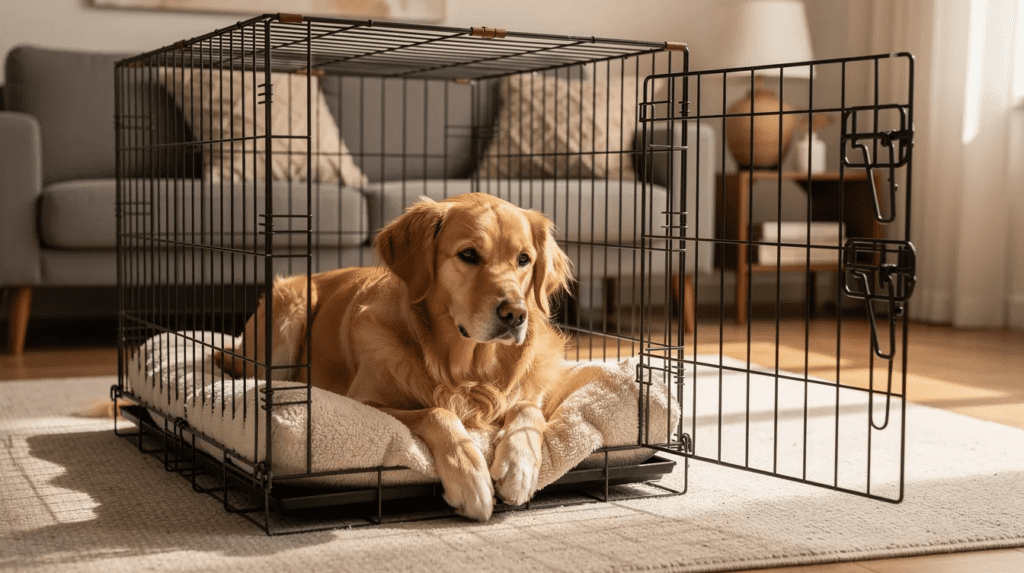
What Dog Separation Anxiety Can Look Like
Separation anxiety is a serious behavior condition in dogs, not a training failure or a personality flaw. It shows up as intense emotional distress, and it often surprises owners who assume their dog is just being stubborn or bored.
Common signs include:
- Nonstop barking, howling, or whining
- Pacing, heavy panting, and excessive drooling
- Destructive behavior at doors, windows, or walls
- Accidents in the house, even in fully house-trained dogs
- Frantic scratching at the crate door, chewing the bars or plastic, or trying to squeeze through gaps
- Bloody paws or gums after attempting to escape
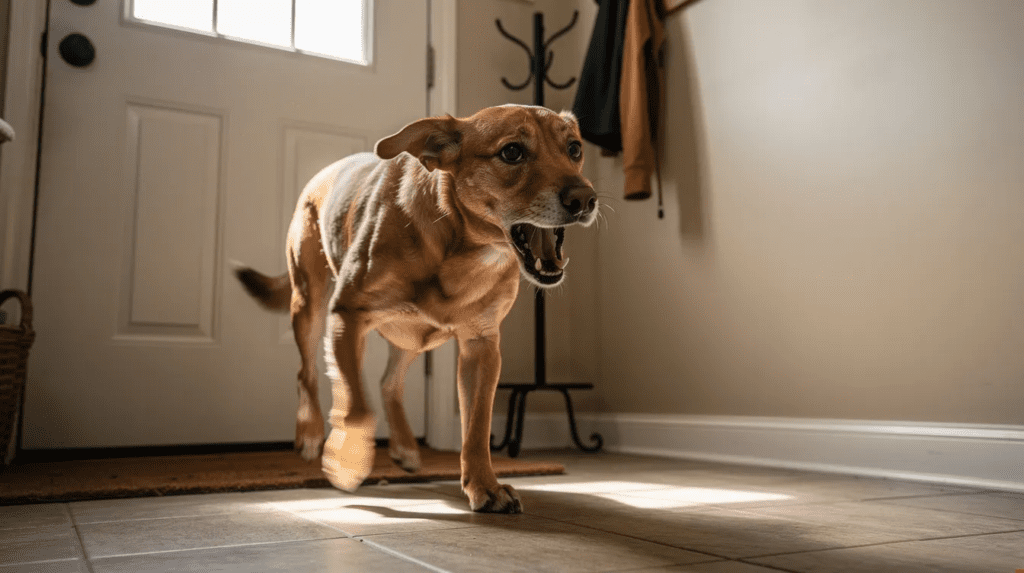
Separation anxiety can cause dogs to panic when left alone, and many anxious responses begin soon after the owner leaves or when the dog notices departure cues like keys, shoes, or a work bag. Some dogs may bark, pace, drool, refuse food, or try to escape confinement. Dogs with separation anxiety may injure themselves trying to get out, so crate training should be adjusted carefully if confinement increases panic.
It is helpful to distinguish between a dog that barks briefly and then settles, versus one that shows high-intensity distress for long periods. Brief vocalizing may be a normal adjustment or frustration, while ongoing panic, escape attempts, or self-injury are signs the dog needs more support.
How Dog Separation Anxiety Crate Training Can Support Calm Alone Time
When introduced correctly, crate training can give some dogs a predictable, comfortable place to rest. Some dogs enjoy enclosed spaces when those spaces are introduced gradually and paired with calm, positive experiences. For other dogs, especially those with confinement anxiety, a crate may feel stressful instead of safe.
A well-fitted dog crate can limit unsafe choices like chewing furniture, door frames, or electrical cords, which may reduce the risk of injury and property damage. For dogs that feel comfortable in a crate, proper crate training can support calmer alone-time routines. However, for dogs that panic when confined, the crate should not be treated as the only solution.
For dogs that try to escape or injure themselves in a standard crate, safety should come first. A sturdier crate may reduce the risk of escape or injury for some dogs, but it does not treat the anxiety by itself. Dogs with extreme separation anxiety or confinement panic should be evaluated by a veterinarian, veterinary behaviorist, or qualified behavior professional before relying on a stronger crate.
However, dogs with confinement anxiety, where the panic comes from being confined in a small space rather than being separated from the owner, may feel worse in a crate. These dogs sometimes do better in a larger gated area, an x-pen, or a dog-proofed room. If your dog panics when confined, even with you present in the room, confinement anxiety is likely the issue, and a different approach is needed.
For very intense anxiety, crate training may need to be part of a broader plan that includes structured obedience work, clear daily routines, gradual behavior modification, and, in some cases, veterinarian-guided medication.
How to Introduce the Crate Without Adding Stress
The crate should never be used for punishment to avoid increasing fear. Comfort and safety are the priority from the very first step.
Step-by-step guidance:
- Begin with the dog crate door open. Sprinkle treats inside and let the dog investigate at their own pace. The goal is for the dog to enter willingly without any pressure.
- Feed meals just outside the crate first, then gradually move the bowl inside. Treats should be used to encourage dogs to enter the crate willingly, and high-value rewards can help dogs associate the crate with positive experiences.
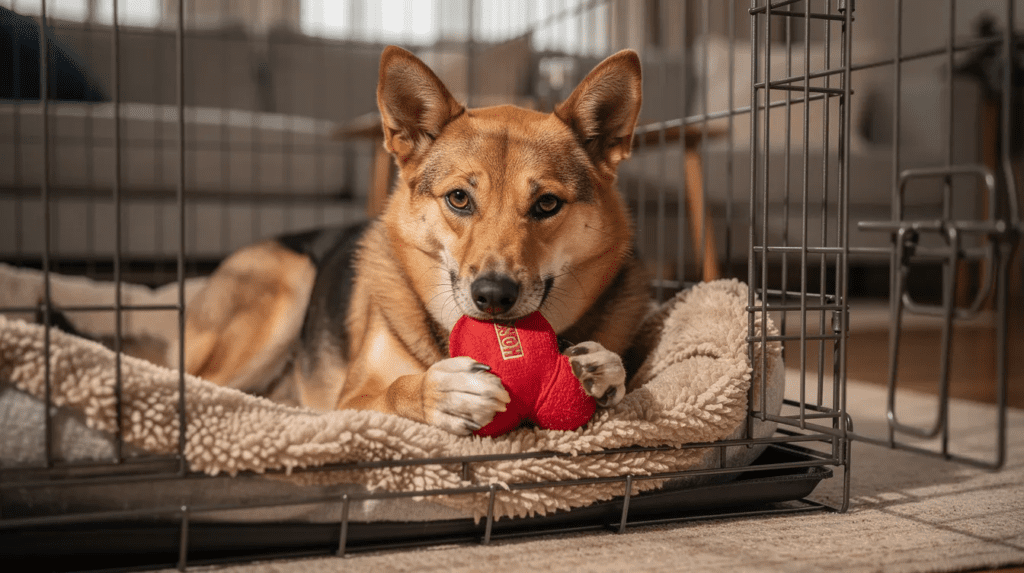
- Add a soft mat or bed if it is safe for your dog, a favorite chew, and calm praise. The goal is for the crate to become associated with comfort and predictability, not fear or pressure.
- Practice short crate time sessions while you stay in the same room. Independence training includes crating dogs while owners are home, which helps the dog learn the crate is a quiet resting spot, not a signal that you are leaving. Use place and down commands to encourage relaxation.
- Gradually close the door shut for a few seconds, then a minute, then several minutes. Gradual desensitization is essential for crate training. Always end the session before your dog becomes very stressed or worried.
- Pair the crate with predictable pre-leaving routines: a short walk, a potty break, brief obedience practice, then quiet crate time. Avoid high-energy play right before departure.
Crate training should use positive reinforcement to reduce fear and anxiety. Aim to end each session while the dog is still relaxed, before they feel trapped or overwhelmed.
Common Crate Training Mistakes to Avoid
Many crate training and separation anxiety problems come from moving too fast or ignoring early stress signals. Here are the most common mistakes:
- Forcing confinement. Dragging, lifting, or physically placing a dog into the crate when they are resisting builds conditioned fear. This is how other dogs in similar situations develop a lasting negative response to any enclosed space.
- Using the crate as punishment. Crate training should not be used as punishment for barking, chewing, or accidents. If the dog associates the crate with being scolded, it becomes a source of fear rather than a safe space.
- Rushing the process. Going from zero crate experience to several hours alone in one week is a recipe for panic, destructive behavior, and barking. An older dog with no crate history or a puppy experiencing everything for the first time both need slow, patient introductions.
- Ignoring signs of panic. Frantic scratching, trying to bite through the crate, or a dog that throws their body against the door are not signals to “wait it out.” These are signs to slow down, shorten sessions, and sometimes reconsider whether the crate is the right tool.
- Relying on the crate alone. Without working on calm obedience skills like place, down, and recall, the dog lacks the structure to understand expectations. The crate becomes a container, not a training tool.
- Crating for long periods without breaks. Leaving a dog in a crate for extended hours on a regular basis without exercise, training, and interaction can increase anxiety. When the dog breaks out of this routine for short periods of interaction and then goes right back in, frustration and stress build.
How to Build Positive Crate Associations and Calm Alone-Time Routines
Success comes from pairing the dog crate with predictable, positive experiences and gradually extending calm alone time.
Crate games and food enrichment:
- Use crate games by asking the dog to go in and out on cue, tossing treats in, rewarding them for choosing to settle, and releasing them calmly rather than in an excited rush.
- Place food-stuffed toys, long-lasting chews, or safe enrichment items inside the crate to encourage relaxed, focused behavior. Some dogs can redirect their attention with the right food puzzle, but dogs in true panic may refuse food, which is a sign the plan may need to be slowed down or adjusted.
- Positive associations with a crate can help some dogs feel more comfortable during short, low-pressure sessions. Over time, some crate-trained dogs may choose to rest in the crate more calmly, especially when the process is gradual and never forced.
Sample progression:
| Stage | Duration | Owner Location |
| Early stages | A few seconds to a few minutes | Same room, visible |
| Next stage | Short sessions | Out of sight, still in the house |
| Later stage | Brief departures | Just outside or away from home |
| Advanced stage | Gradually longer outings | Based on the dog’s comfort level |
End each stage while the dog is still relatively calm. Build a history of success rather than waiting until intense barking or panic begins.
Owners should keep their departures and arrivals low-key to reduce anxiety. Avoid dramatic goodbyes or high-pitched excitement upon return. A calm routine can help the dog learn that alone time is a normal part of the day.
Sound masking may help reduce outside noises that trigger stress in some dogs, so calming music or white noise can be useful as part of a larger routine. Monitoring your dog with a camera can also help you understand whether your dog is settling, pacing, barking, or panicking during early alone-time practice.
Signs Your Dog Needs More Training First
Some dogs need stronger overall obedience and impulse control before they can relax in a crate during absences. If the foundation is not there, crate training often stalls or creates more problems.
Look for signs like:
- The dog cannot hold a place command for even a few minutes with mild distractions
- Struggles to stay in a down when the family is moving around the room
- Ignores recall when excited or when friends come to the door
- Constantly pacing, jumping, or demand-barking even when everyone is home and present
- Immediate panic in any confinement, whether it is a crate, baby gate, or closed room
A dog that cannot settle on a leash walk or stay on a bed for short periods is not going to suddenly relax in a small space with the door shut and everyone gone from the house.
Working on daily obedience sessions, leash walking with focus, and calm behavior in designated spots like a dog bed can make a big difference. These skills build impulse control and trust in the routine, making crate training much easier and safer. This is often the first step owners overlook because they jump straight to the crate without building the foundation.
When to Get Professional Help for Crate Training and Separation Anxiety
Moderate to severe separation anxiety often benefits from guidance from a qualified trainer, separation anxiety specialist, veterinarian, or veterinary behaviorist. The right professional can help design a plan tailored to your dog’s specific triggers, history, and level of distress.
Consider reaching out for help if:
- Your dog hurts themselves trying to escape the crate, including self-injury to paws, gums, or nails
- Neighbors complain about constant barking or howling during the night or day
- Your dog destroys doors, window frames, or furniture during absences
- You have tried a gradual introduction, and your dog still shows intense fear and panic
Professional trainers can design step-by-step crate training plans, teach consistent obedience routines covering place, down, recall, and heel, and help owners read early stress signals before they escalate.
For some dogs, collaboration between a trainer and a veterinarian may be helpful to address intense anxiety or long histories of destructive behavior. In moderate to severe cases, veterinary-prescribed medication may be used alongside behavior modification to help reduce panic and make training possible.
Do not wait until the problem is extreme. Early support can help prevent bad experiences from stacking up and can make the process safer and more manageable for both you and your dog.
Final Thoughts
A dog separation anxiety crate approach should focus on safety, calmness, and gradual progress. There are no shortcuts. Forcing a dog into a crate or expecting overnight results can increase fear, resistance, or panic.
A crate can be a helpful tool for many dogs when introduced carefully, paired with obedience and structure, and never used as punishment. But every dog is different. Some dogs eventually enjoy their crate and retreat to it on their own. Others need an X-Pen, a gated room, or a completely different plan. If you are feeling stuck with crate training, separation anxiety, barking, or destructive behavior, reaching out to a professional trainer, veterinarian, or qualified behavior professional can help you choose the safest next step.
FAQ
Below are answers to common questions about crates, confinement, and separation anxiety that were not fully covered above.
How long can I safely leave my dog in a crate?
Crate time depends on the dog’s age, health, comfort level, bladder control, and anxiety level. Puppies need frequent potty breaks and should not be crated for long daytime stretches. Adult dogs may tolerate longer periods occasionally, but regular long crating without exercise, training, or interaction is not a training solution. For dogs with separation anxiety, start with very short durations, sometimes just seconds or minutes, and build up slowly.
Is it better to use a wire crate, plastic crate, or soft crate for anxious dogs?
Wire crates allow more airflow and visibility, which some dogs prefer. Plastic crates feel more den-like and can help dogs that want a quieter environment. Soft crates are generally not safe for dogs that scratch or chew when anxious, as they can tear through the fabric and escape or injure themselves. Choose a sturdy crate the dog cannot bend or unzip, and adjust visual cover with a light blanket based on how your pup responds.
Should I let my dog sleep in the crate at night if they have separation anxiety?
Many dogs benefit from sleeping in the crate near their owner’s bedroom at first. This builds positive crate associations without the added stress of full separation overnight. If the dog panics when fully closed in at night, keep the door open initially and close it gradually over days or weeks as the dog becomes more comfortable and relaxed.
Can I give my dog calming supplements or chews for crate training?
Some owners use vet-approved calming supplements, pheromone diffusers, or special chews to support relaxation during crate time. These tools can be helpful but should not replace training and structure. Always consult your vet before starting any supplement, especially if your dog is on other medications or has existing health conditions.
What should I do if my dog breaks out of the crate?
An escape attempt may be a serious sign of panic, not stubborn behavior. Do not simply buy a stronger crate and try again without reassessing the plan. Pause unsupervised crating, go back to very short and supervised crate sessions, and focus on improving obedience and daily routines. Contact a professional trainer, veterinarian, or qualified behavior professional for a tailored plan. A dog that is breaking out may need a different approach, not just stronger confinement.
