The Complete Puppy Crate Training Schedule Guide: Age-Based Routines for Success

The image depicts a cozy crate designed for a young puppy, featuring a soft bed and a favorite toy inside, symbolizing a safe and comfortable space for crate training. The crate door is slightly ajar, inviting the puppy to explore its new environment while emphasizing the importance of building positive associations during the crate training process.

Introduction A structured crate training schedule is the single most effective tool for house training a new puppy, regulating sleep, and preventing potty accidents. Puppies between 8 weeks and 6 months old need predictable daily routines built around their bladder capacity, sleep requirements, and energy levels. Without a consistent crate schedule, owners face more indoor … Read more

Complete Puppy Socialization Checklist: 100+ Essential Experiences for Your New Puppy

The image depicts a new puppy engaging in socialization activities, surrounded by other dogs and various stimuli like children playing and plastic bags rustling. The scene emphasizes relaxed body language and positive interactions, showcasing the importance of exposing the pup to new experiences in a calm environment for healthy behavioral development.

Introduction A puppy socialization checklist is a structured, evidence-based tracking tool that guides you through 100+ positive exposures your new puppy needs during the critical 8–16 week developmental window. This checklist covers interactions with people, other dogs, other animals, environments, sounds, surfaces, and handling procedures-systematically building the confidence your pup needs to become a well-adjusted … Read more

Why Do Dogs Get Zoomies: Understanding Your Dog’s Wild Energy Bursts

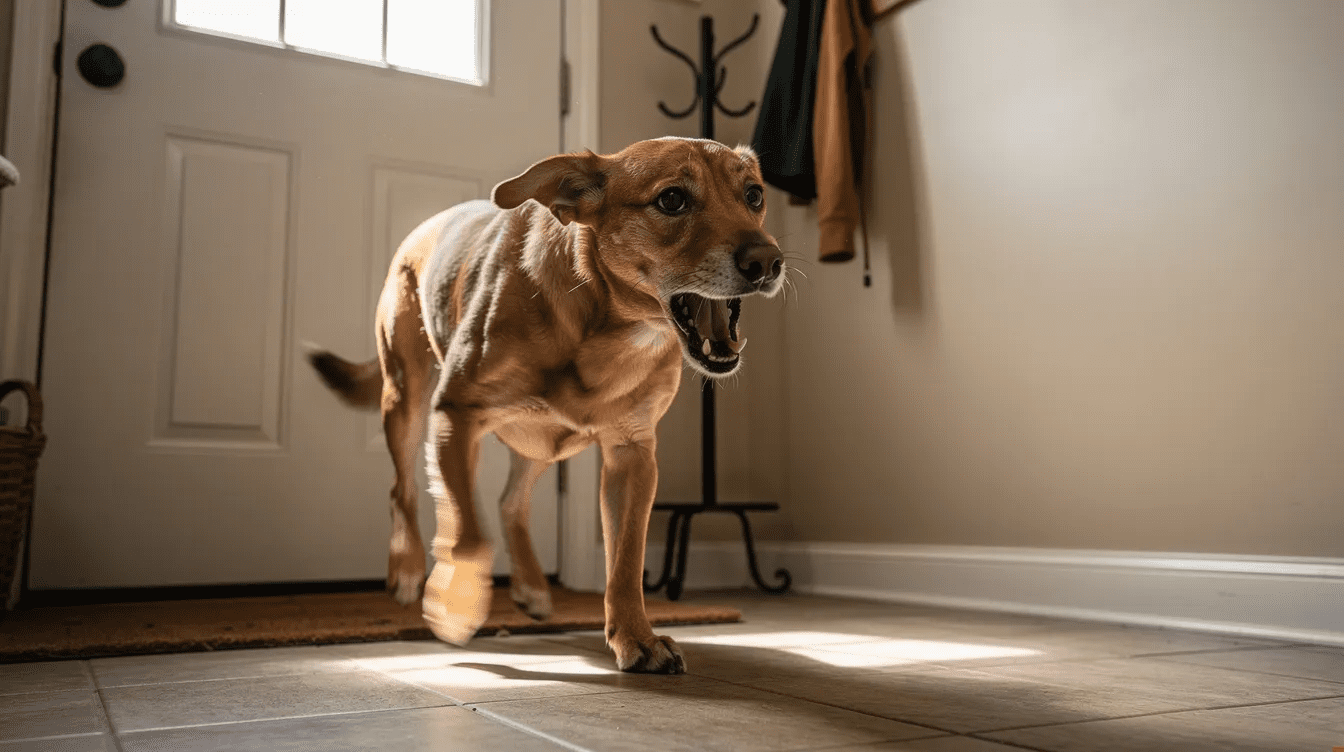
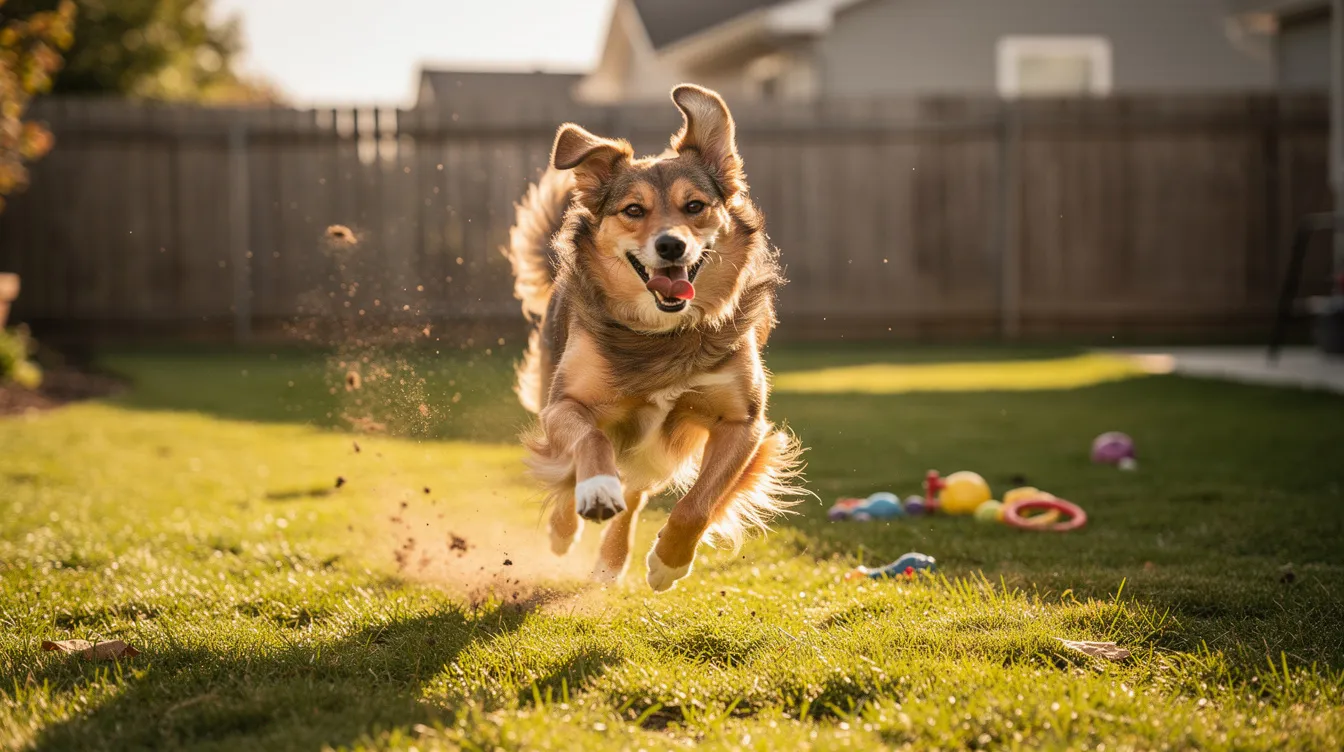
Its body language, with a wagging tail and wide eyes, reflects the normal behavior of dogs experiencing zoomies, a common expression of pent-up energy and joy.

Introduction Dogs get zoomies to release pent-up energy, express excitement, or relieve stress through sudden bursts of frantic running, spinning, and darting. These episodes-formally known as frenetic random activity periods (FRAPs)-are perfectly normal canine behavior observed across virtually every breed, age, and temperament. If your dog has ever tucked its butt, dropped into a play … Read more

How to Stop a Dog from Counter Surfing: Complete Training Guide

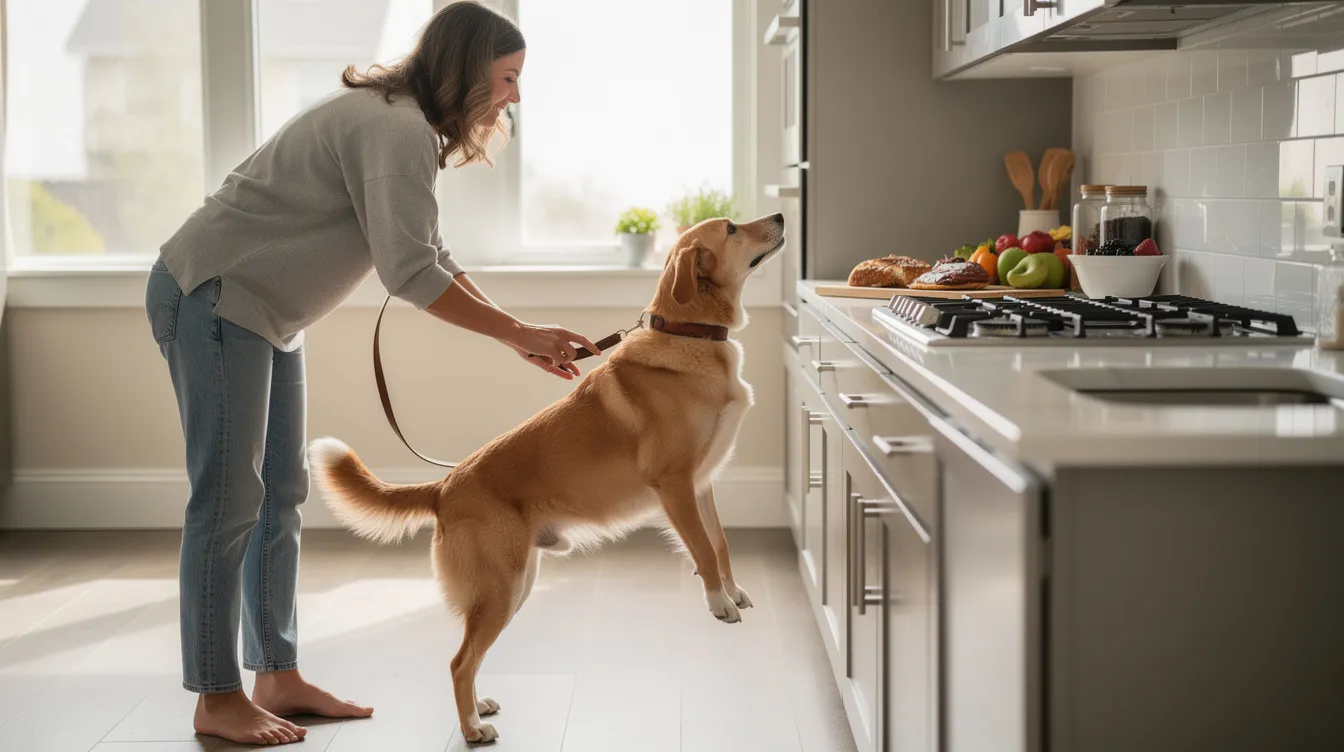
Nearby, a dog bed and a crate are visible, suggesting a training environment aimed at preventing this habit.

Introduction Counter surfing is one of the most common-and most frustrating-behavior problems dog owners face. The term refers to dogs jumping up, placing their paws on, or stretching onto kitchen counters, tables, and other elevated surfaces to steal food or other items. The good news: you can absolutely stop counter surfing with the right combination … Read more

Dog Body Language Guide: Understanding Your Dog’s Silent Communication

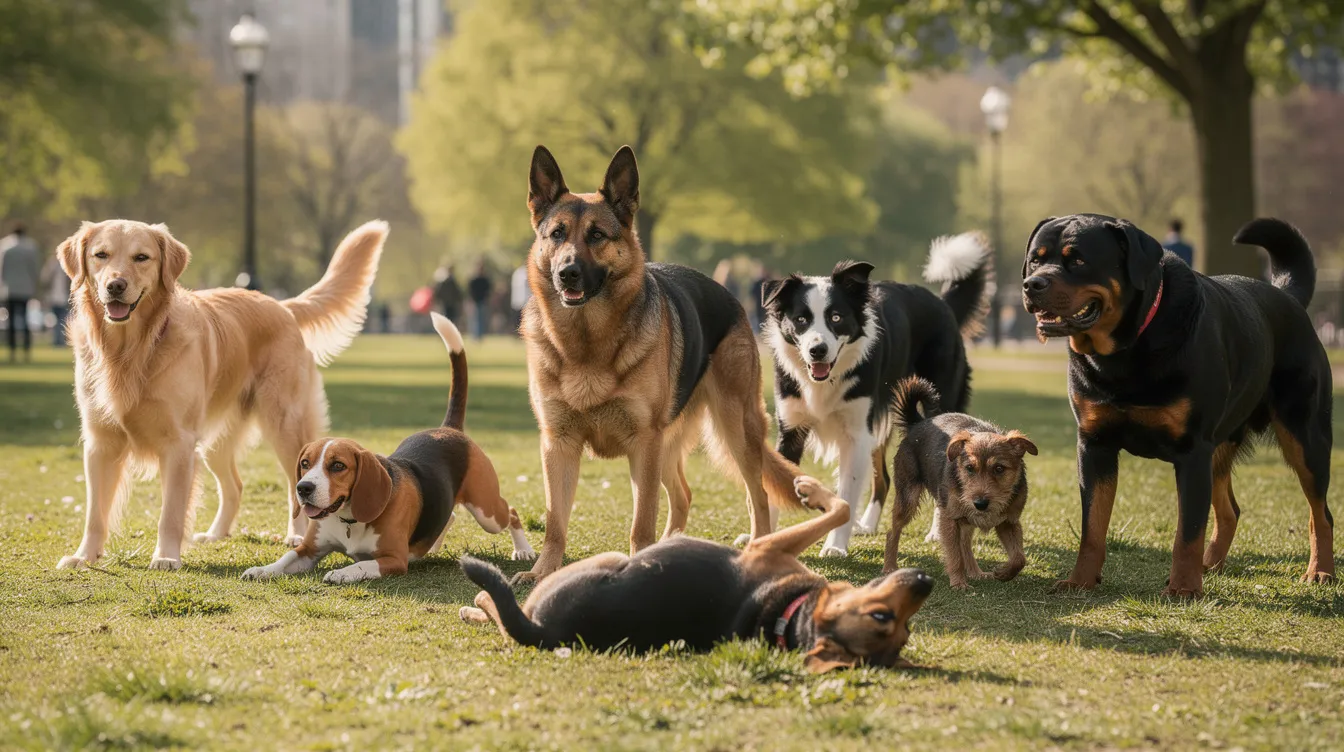
The dog's body posture is open, and its soft eyes convey a friendly demeanor, indicative of canine communication and emotional well-being.

Introduction Dogs communicate primarily through posture, tail movement, ear position, and facial expressions. Every interaction with your dog involves dozens of these silent signals, most of which pass unnoticed by owners who haven’t learned to read them. This dog body language guide breaks down the specific cues your dog uses to tell you how they … Read more

How to Puppy-Proof Your Home: Complete Safety Guide for New Dog Owners

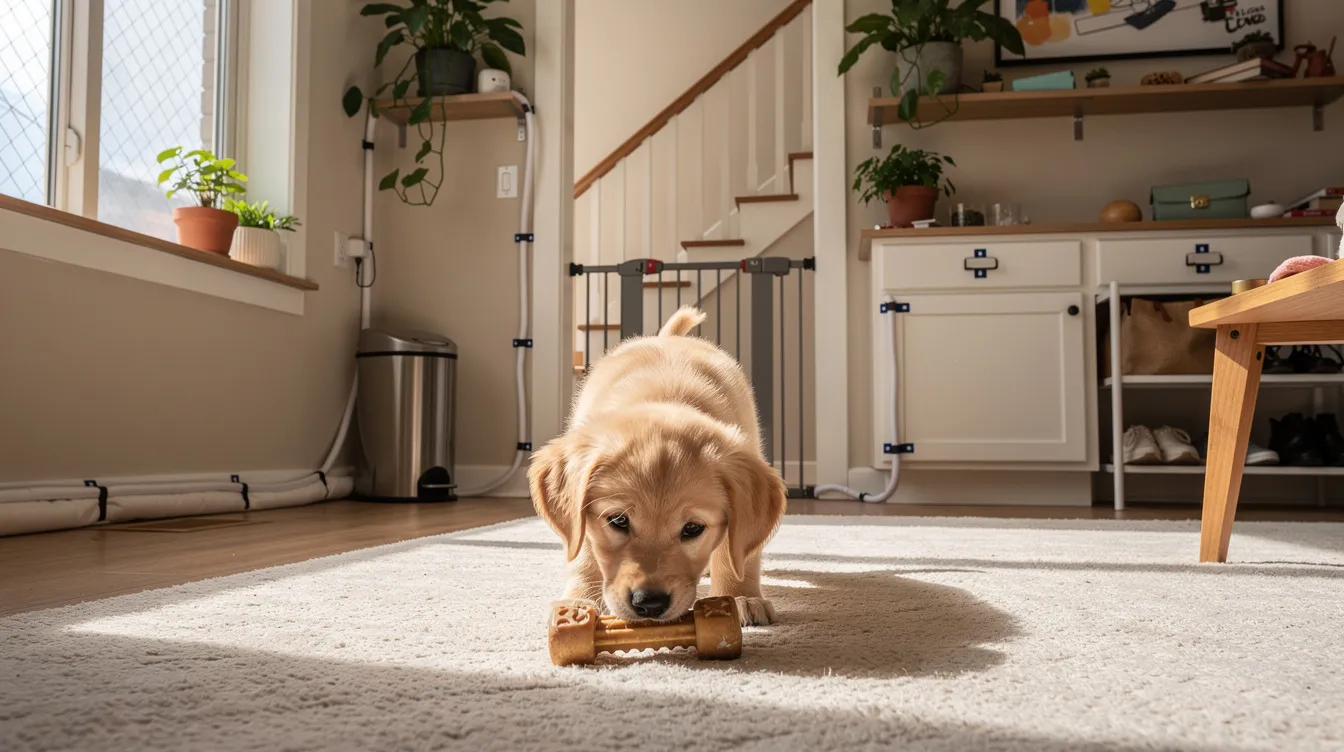
You can see chew toys scattered on the floor, baby gates securing certain areas, and electrical cords neatly tucked away to prevent potential hazards for a curious puppy.

Introduction Puppy proofing your home is the single most important step you should take before bringing a new puppy through your front door. A curious puppy will chew, swallow, climb, and investigate every reachable surface, cord, and corner-and without preparation, the results range from destroyed shoes to life-threatening emergencies. Home puppy proofing combines hazard removal, … Read more

Puppy Fear Period: A Complete Guide to Understanding and Supporting Your Dog Through Critical Development Stages

Dog separation anxiety crate training warning signs

Introduction A puppy fear period is a commonly described developmental stage when a young dog may temporarily become more cautious or sensitive to new or even familiar stimuli. Many training and veterinary sources describe an early fear period around 8–11 weeks of age and another possible increase in fearfulness during adolescence, often between about 6–14 … Read more

Why Dogs Dig Holes and How to Redirect the Habit

Finding a fresh hole beside the fence, under a shrub, or in the middle of the lawn can make it seem as though your dog is trying to redesign the yard. Digging is frustrating when it damages landscaping or creates an escape route, but it is also a natural canine behavior. So, why do dogs … Read more

How to Stop a Dog From Marking in the House

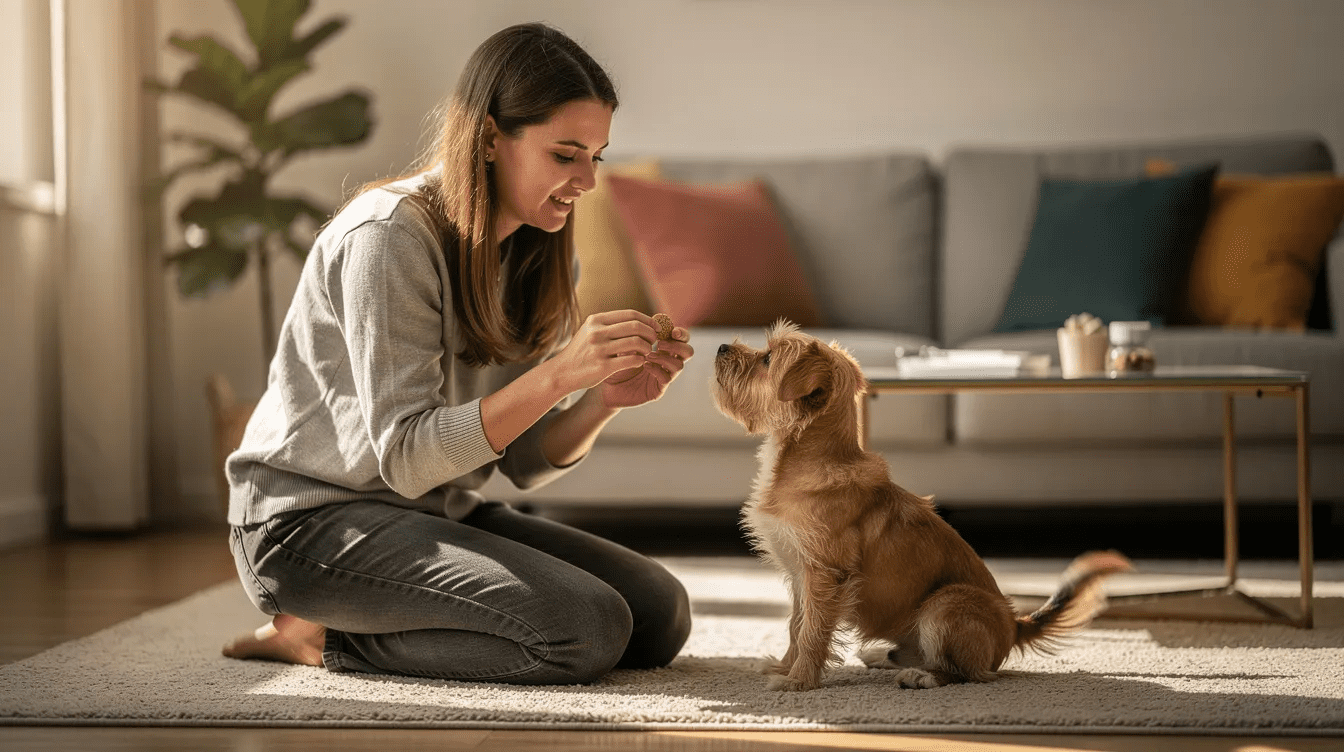
Woman using marker training for dogs with a puppy

Finding urine on a doorway, furniture leg, wall, guest’s bag, or newly delivered box can be frustrating, especially when your dog is otherwise house-trained. Learning how to stop a dog from marking in the house starts with identifying what kind of urination is occurring and why it is happening. Indoor marking is not always a … Read more